
 English
 中文简体
中文简体 Español

Ice Cream Paper Cup Explained: Tips for Finding the Best Fit for Your Business
Content
- 1 Why the Right Ice Cream Paper Cup Matters More Than You Think
- 2 Materials and Coatings That Keep Ice Cream Cups Leak-Free
- 3 Choosing the Right Size for Your Ice Cream Paper Cups
- 4 Key Benefits of Using Custom Printed Ice Cream Paper Cups
- 5 Who Uses Ice Cream Paper Cups Most Often
- 6 How to Choose the Right Ice Cream Paper Cup Supplier
- 7 Common Mistakes to Avoid When Ordering Ice Cream Paper Cups
Why the Right Ice Cream Paper Cup Matters More Than You Think
An ice cream paper cup might seem like a simple, disposable item, but choosing the wrong one can lead to leaks, soggy packaging, and melted messes that frustrate customers and damage your brand's reputation. Because ice cream and frozen desserts create condensation as they sit at room temperature, the cup needs to hold up against moisture without becoming flimsy or falling apart mid-scoop. This makes material choice, coating, and structural design far more important than they might appear at first glance.
Beyond function, an ice cream paper cup also plays a role in how customers perceive your product. A cup with vibrant, well-designed printing can turn a simple purchase into a shareable moment on social media, while a plain, flimsy cup can make even premium ice cream feel like a lower-quality product. For shops, distributors, and manufacturers alike, understanding what separates a good ice cream cup from a mediocre one can directly affect customer satisfaction and repeat business.
Materials and Coatings That Keep Ice Cream Cups Leak-Free
The performance of an ice cream paper cup depends heavily on the paperboard quality and the type of coating applied to its interior surface. These factors determine how well the cup resists moisture, cold temperatures, and condensation.
PE-Coated Paper Cups
Polyethylene-coated cups are the most common option in the frozen dessert industry. The thin plastic lining creates a reliable moisture barrier, preventing the paper from softening or leaking even when filled with melting ice cream over an extended period.
PLA-Coated Compostable Cups
For brands prioritizing sustainability, PLA-coated cups use a plant-based lining derived from corn starch instead of traditional plastic. These cups offer similar moisture resistance while remaining compostable under industrial composting facilities, appealing to environmentally conscious customers.
Double-Wall Insulated Cups
Some premium ice cream cups feature a double-wall construction that adds an extra layer of insulation, slowing down melting and keeping the exterior surface comfortable to hold even when the contents are extremely cold.
- PE-coated cups — best for standard scoop shops and high-volume service
- PLA-coated cups — best for eco-conscious brands avoiding plastic linings
- Double-wall cups — best for premium presentation and extended melting protection
- Single-wall cups — best for quick-service, takeaway orders consumed shortly after purchase
Choosing the Right Size for Your Ice Cream Paper Cups
Selecting the correct cup size affects both customer satisfaction and cost control. Offering too few size options can limit sales potential, while inconsistent sizing can lead to product waste or underfilled servings that disappoint customers.
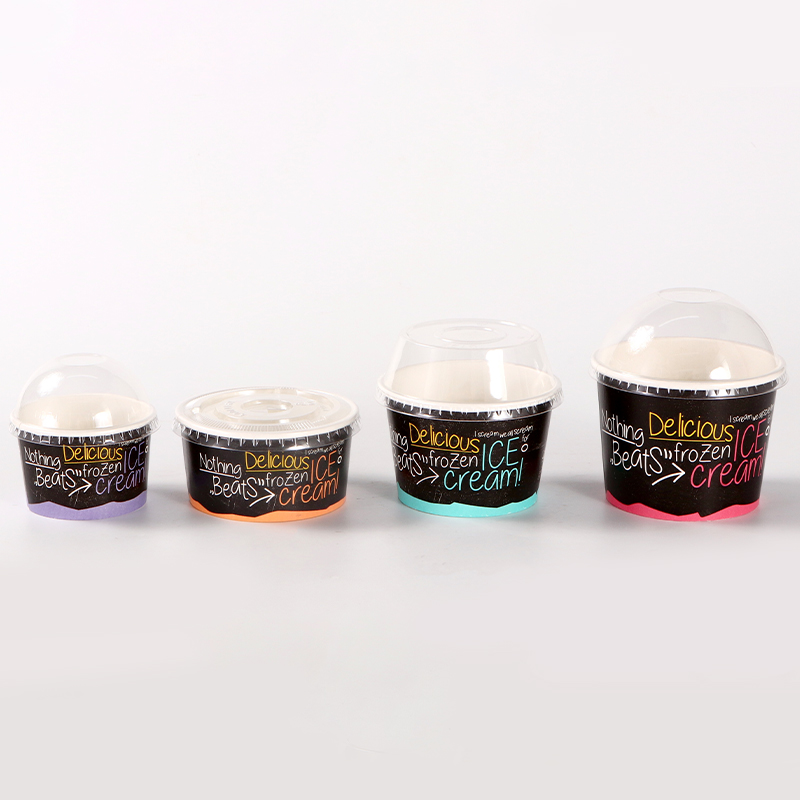
| Cup Size | Typical Volume | Best Use Case |
| Small | 4 to 6 oz | Kids' portions, samples, tasting cups |
| Medium | 8 to 12 oz | Standard single or double scoop servings |
| Large | 16 oz and above | Sundaes, sharing portions, takeaway pints |
Key Benefits of Using Custom Printed Ice Cream Paper Cups
Investing in custom printed ice cream cups offers advantages that go beyond simply holding the product, helping businesses build recognition and stand out in a competitive market.
- Reinforces brand identity with logos, colors, and taglines on every cup
- Creates a more memorable, photo-worthy presentation for social media sharing
- Helps differentiate flavors or seasonal offerings through unique cup designs
- Builds customer trust by presenting a polished, professional appearance
Who Uses Ice Cream Paper Cups Most Often
While ice cream paper cups are a universal packaging solution, certain businesses rely on them more heavily due to the nature of their products and service style.
- Scoop shops and gelato parlors serving fresh, made-to-order portions
- Frozen yogurt bars offering self-serve or topping-based creations
- Grocery stores and convenience shops selling pre-packaged single servings
- Event caterers and food trucks offering frozen desserts at outdoor gatherings
How to Choose the Right Ice Cream Paper Cup Supplier
Partnering with the right supplier ensures consistent quality, timely delivery, and cups that truly hold up under real-world conditions. A few key questions can help narrow down the best fit for your business.
- Ask for sample cups to test leak resistance with your actual product
- Confirm whether the coating type aligns with your sustainability goals
- Check minimum order quantities against your expected monthly usage
- Verify lead times for custom printed designs, especially around peak seasons
- Compare pricing across bulk order tiers to find the most cost-effective option
Common Mistakes to Avoid When Ordering Ice Cream Paper Cups
A common mistake businesses make is choosing cups based solely on price without testing how well they hold up against melting and condensation, leading to leaks that damage displays or customers' hands. Another frequent issue is ordering a single size that doesn't accommodate different portion options, forcing staff to either overfill smaller cups or underfill larger ones. It's also important to avoid overlooking lid compatibility if takeaway orders are common, since a mismatched lid can cause spills during transport. Finally, skipping a test batch before placing a large custom print order can result in costly reprints if the branding doesn't appear as expected on the finished cups.
Custom Packaging Made Easy
From concept to delivery, our team ensures your custom packaging needs are met with efficient communication and professional service.
-
 01
01
Briefing
-

-
 02
02
Material & Structure
-
-
 03
03
Artwork & Printing
-
-
 04
04
Sampling
-
-
 05
05
Testing & Approval
-
-
 06
06
Production & Delivery
-
-
Suzhou Accum Packaging Co., Ltd.
Contact us
TEL: +86 512 6378 6312 TEL: +86 182 6183 5029 Add: Zhujiabang, Zhenze Town, Wujiang District, Suzhou city, Jiangsu Province, China -
Quick Link
Home Products About Us Solutions News Contact Us -
Products Links
Paper Cup Paper Container Retail Shelf Packaging Paper Tray Paper Bucket Accessory Latest Stainless Bottle -
News
The Complete Round Paper Bowl Buying Guide for Home and Business Use Paper Cup Holder: How to Pick the Right One Without the Guesswork Why Does My Paper Straw Get Soggy So Fast? (And Other Paper Straw Questions Answered) -
Mobile
