
 English
 中文简体
 Español


Disposable Frozen Yogurt Cups: How to Pick the Right Ones for Your Shop
If you run a frozen yogurt shop, a dessert bar, or a catering business, your cup is the first thing customers touch. It has to hold up under a heavy pile of toppings, keep the yogurt cold, and look good in photos. Disposable frozen yogurt cups look simple, but the wrong choice leads to soggy walls, cracked rims, and unhappy customers. This guide covers what to look for and how to avoid the most common mistakes.
Content
What Makes a Good Disposable Frozen Yogurt Cup
A good disposable froyo cup does four jobs at once. It holds cold and semi-melted product without leaking, stays rigid when a customer loads it with fruit and sauces, feels comfortable in the hand, and fits your branding. Disposable yogurt cups that fail at any of these cost you money through complaints and wasted product.
Core Features to Check
- Moisture resistance: the inner lining must block condensation and melted yogurt from soaking through the wall.
- Wall strength: thicker paper or sturdier plastic keeps the cup from collapsing in the hand.
- Rim quality: a smooth, rolled rim feels better on the lips and makes lids seal properly.
- Stackability: cups that nest cleanly save storage space and speed up service at the self-serve station.
- Food-safe certification: always confirm the cups are rated for direct food contact.
Paper, Plastic, or Compostable: Choosing the Right Material
Material is the biggest decision you will make. Each type of disposable frozen yogurt cup has different strengths, costs, and environmental trade-offs, so match the material to your business model rather than just picking the cheapest option.
Paper Frozen Yogurt Cups
Paper froyo cups are the most popular choice for self-serve shops. They are usually coated with polyethylene (PE) to resist moisture, and they take printing very well, so full-color logos and bright patterns are easy to add. Double-wall versions give better insulation and keep hands from getting too cold.
Clear Plastic Dessert Cups
Clear PET or PP cups show off layered parfaits and colorful toppings. They suit grab-and-go displays and pre-made yogurt parfaits. The downside is that they can look less eco-friendly, and some areas restrict single-use plastics, so check local rules first.
Compostable and PLA-Lined Cups
Compostable frozen yogurt cups use plant-based linings such as PLA instead of petroleum-based coatings. They appeal to eco-minded customers, but they cost more and often need commercial composting facilities to break down properly. If you choose them, tell your customers how to dispose of them, or the benefit is lost.
| Material | Best For | Main Advantage | Main Drawback |
| PE-coated paper | Self-serve froyo shops | Great printing, good insulation | Hard to recycle in some areas |
| Clear PET plastic | Parfaits and display cases | Shows layers and toppings | Plastic restrictions in some regions |
| PLA-lined compostable | Eco-focused brands | Plant-based lining, strong green image | Higher price, needs composting access |
| Foam (EPS) | Very low-budget operations | Cheap and well insulated | Banned or restricted in many places |
Picking the Best Size for Your Menu
Size affects both customer satisfaction and your profit margin. Self-serve shops that charge by weight can offer larger cups because the customer pays for what they fill. Shops that sell fixed-size servings need cups that match each portion exactly, so the serving looks generous without wasting yogurt.
- 4 to 6 oz: sample cups and kids' portions.
- 8 oz: small servings and single-scoop orders.
- 12 oz: the most common size for regular self-serve visits.
- 16 oz: large servings and shared desserts.
- 20 oz and above: family portions or heavily topped bowls.
A smart approach is to stock three sizes, usually small, medium, and large, and track which one sells best over the first month. Many owners find that a slightly smaller default cup reduces waste and keeps average ticket prices steady.
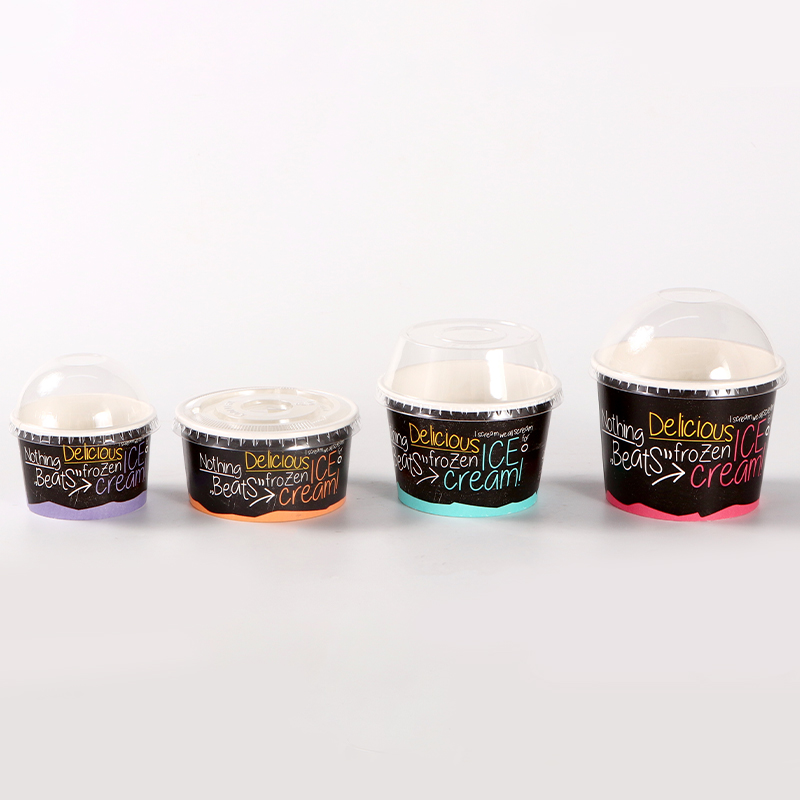
Lids, Spoons, and Accessories That Go With the Cup
A cup alone is rarely enough. Takeout orders and delivery need disposable frozen yogurt cups with lids, and a poor fit can cause spills in a customer's car. Dome lids give room for tall toppings, while flat lids work better for plain yogurt or for stacking in a delivery bag.
Items Worth Bundling
- Matching lids: always test that the lid snaps on tightly with the exact cup you plan to buy.
- Spoons and tasting spoons: short, sturdy spoons work better than flimsy ones when yogurt is very cold.
- Napkins and sleeves: useful for single-wall cups that get cold or wet in the hand.
- Delivery carriers: simple cardboard trays reduce tipping during transport.
How to Use Cup Branding to Sell More
Custom printed frozen yogurt cups turn every customer into a walking advertisement. A bold logo, a short slogan, and a social media handle on the cup encourage photo sharing, which brings in free promotion. Bright colors usually perform better than muted ones because they stand out against the colors of fruit and sauces.
Keep in mind that custom orders typically come with minimum quantities, often several thousand cups, and a lead time of a few weeks. If you are just opening, start with stock cups in a solid color and add a branded sleeve or sticker until your sales volume justifies a full custom run.
Smart Buying Tips to Save Money
Disposable froyo cups are a recurring cost, so small savings add up quickly. Compare the price per cup rather than the price per case, because case counts vary. Buying in bulk lowers the unit price, but only if you have dry storage space, since paper cups can absorb humidity and warp.
Checklist Before You Order
- Request samples and test them with real yogurt, toppings, and sauces for at least 30 minutes.
- Confirm food-contact safety documents with the supplier.
- Ask about minimum order quantities and shipping costs.
- Check local rules on foam, plastic, and compostable packaging.
- Compare at least three suppliers before committing to a large order.
Common Mistakes to Avoid
The most common mistake is choosing cups on price alone. A cheap cup that leaks or goes soft forces you to double-cup or replace orders, which costs more than the savings. Another frequent error is ordering a size that does not match your pricing, so customers either overfill or feel shortchanged. Finally, many owners forget to test lids, only to find out during the first delivery rush that they pop off.
The best disposable frozen yogurt cups are the ones that fit your menu, your budget, and your brand. Test samples, match the material to how your customers eat, and review your choice every season as your sales and local regulations change.
Custom Packaging Made Easy
From concept to delivery, our team ensures your custom packaging needs are met with efficient communication and professional service.
-
 01
Briefing
-

-
 02
Material & Structure
-
-
 03
Artwork & Printing
-
-
 04
Sampling
-
-
 05
Testing & Approval
-
-
 06
Production & Delivery
-
-
Suzhou Accum Packaging Co., Ltd.
Contact us
TEL: +86 512 6378 6312 TEL: +86 182 6183 5029 Add: Zhujiabang, Zhenze Town, Wujiang District, Suzhou city, Jiangsu Province, China -
Quick Link
Home Products About Us Solutions News Contact Us -
Products Links
Paper Cup Paper Container Retail Shelf Packaging Paper Tray Paper Bucket Accessory Latest Stainless Bottle -
News
Disposable Frozen Yogurt Cups: How to Pick the Right Ones for Your Shop Disposable Ice Cream Cups: How to Pick the Right Ones and Stop Wasting Money Single Wall Coffee Cups: A Simple Guide to Picking the Right Ones -
Mobile
