
 English
 中文简体
中文简体 Español

Why Does My Paper Straw Get Soggy So Fast? (And Other Paper Straw Questions Answered)
Content
Why Does a Paper Straw Get Soggy So Fast?
If you've ever ordered an iced coffee and watched your paper straw collapse before you finished the drink, you're not imagining things. Paper straws are made from layers of thick paper wound together with a food-safe adhesive, and that structure is naturally more porous than plastic. Once liquid seeps into the paper fibers, the straw starts to soften from the inside out. Sugary drinks, hot beverages, and drinks with a lot of ice make this happen faster because moisture and temperature both accelerate how quickly the paper breaks down.
The good news is that not all paper straws are created equal. Cheap, single-ply straws will almost always get mushy within ten to fifteen minutes, while thicker, multi-layered paper straws with a tighter wax or food-grade coating can hold up for 30 minutes or longer. If sogginess is your biggest complaint about paper straws, the fix usually isn't avoiding them altogether — it's choosing a better-made one.
Simple Ways to Make a Paper Straw Last Longer
- Avoid leaving the straw sitting fully submerged in the drink when you're not using it
- Choose a thicker, multi-ply paper straw for iced or long-duration drinks
- Skip paper straws for extremely hot beverages, since heat softens the paper faster
- Store unused straws in a dry, sealed container to prevent them from absorbing ambient moisture
How to Choose the Right Paper Straw for Every Drink
Not every paper straw is designed for the same job. A thin cocktail straw meant for stirring is very different from a wide-diameter straw made for a milkshake or bubble tea. Matching the straw to the drink not only improves the drinking experience but also reduces waste, since the right straw is less likely to fail halfway through.
| Drink Type | Recommended Straw | Why It Works |
| Iced coffee or tea | Standard-width, multi-ply paper straw | Balances durability with comfortable sipping |
| Milkshakes and smoothies | Wide-diameter jumbo paper straw | Prevents clogging from thick textures |
| Bubble tea | Extra-wide, thick-wall paper straw | Lets tapioca pearls pass through without tearing the straw |
| Cocktails | Slim cocktail paper straw | Sized for short-duration sipping or stirring |
| Juice boxes or pouches | Narrow, flexible paper straw | Fits small openings without bending |
When shopping for paper straws, look at the wall thickness and the number of paper layers listed by the manufacturer. A straw described as "heavy-duty" or "extra-thick" is generally built to resist sogginess longer than a basic single-layer option.
Paper Straws vs Plastic and Other Alternatives
The paper straw became popular largely as a response to plastic straw bans, but it's not the only alternative on the market. Understanding how it compares to other options can help you decide what's actually worth using, whether you're a consumer picking a reusable straw or a business deciding what to stock.
Paper vs Plastic
Plastic straws are more durable and hold their shape for hours, but they take hundreds of years to break down and are a major contributor to ocean plastic pollution. Paper straws break down in a matter of weeks under composting conditions, making them a far better choice for reducing long-term environmental impact, even though they don't last as long during use.
Paper vs Reusable Metal or Silicone Straws
Metal and silicone straws last indefinitely and produce zero waste per use, but they require washing and are impractical for restaurants serving hundreds of customers a day. Paper straws remain the more realistic option for single-use, high-volume settings like cafes, bars, and fast food chains.
Paper vs Bamboo or Wheat Straws
Bamboo and wheat-stem straws are compostable like paper but tend to be more expensive and less widely available in bulk. Paper straws currently offer the best balance of cost, availability, and biodegradability for most businesses.
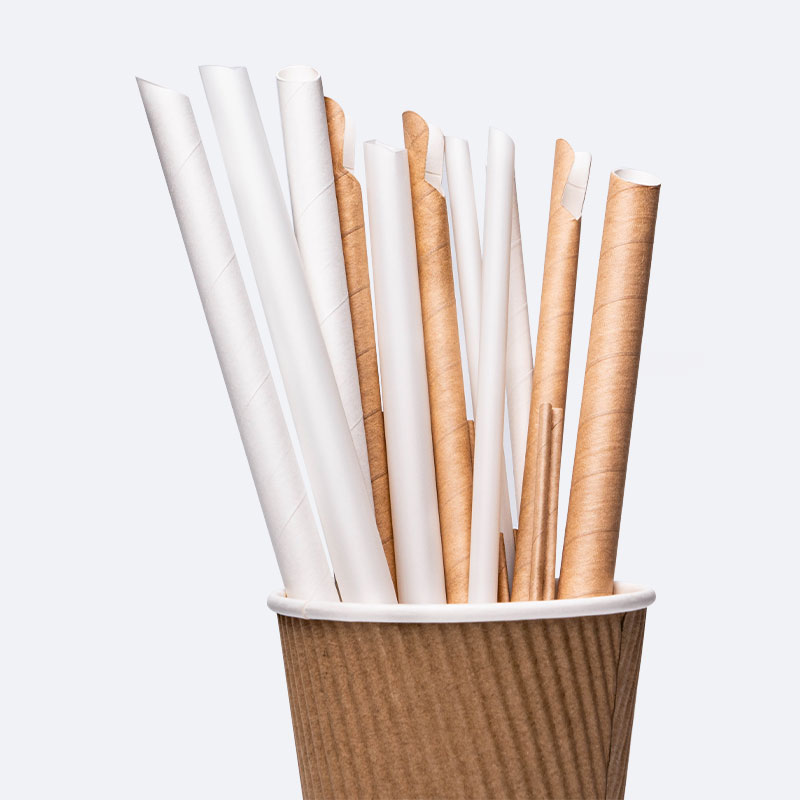
Tips for Restaurants and Cafes Buying Paper Straws in Bulk
For business owners, switching to paper straws is about more than just compliance with local plastic bans — it's also about controlling cost and avoiding customer complaints about quality. Buying in bulk can significantly lower the per-unit price, but only if you choose the right supplier and straw specification.
- Request a sample pack before committing to a large order to test durability with your actual drink menu
- Check whether the straws are certified compostable, not just labeled "eco-friendly"
- Compare wall thickness across suppliers, since this is the biggest factor in how long a straw holds up
- Store bulk inventory in a cool, dry area away from steam or humidity, which can weaken straws before they're even used
- Consider offering a sturdier straw option for drinks customers tend to nurse for a long time, like iced lattes
Many suppliers also offer custom-printed paper straws, which can double as a low-cost branding opportunity for cafes and bars looking to reinforce their identity on every table.
Are Paper Straws Really Better for the Environment?
Paper straws are generally considered a more environmentally responsible choice than plastic because they are biodegradable and often made from renewable, sustainably sourced paper pulp. Under proper composting conditions, a paper straw can break down within a few weeks, compared to plastic straws that can persist in the environment for centuries.
That said, paper straws aren't a perfect solution. Producing paper requires water and energy, and straws with a plastic-based coating to improve durability may not break down as cleanly as advertised. For the best environmental outcome, look for straws labeled as fully compostable or plastic-free, and dispose of them in a composting bin rather than a regular landfill trash bag whenever that option is available.
Ultimately, the paper straw isn't meant to be a perfect replacement for plastic — it's meant to be a meaningfully lower-impact option that fits into everyday habits without requiring a major lifestyle change. Used correctly and paired with proper disposal, it remains one of the simplest swaps consumers and businesses can make.
Custom Packaging Made Easy
From concept to delivery, our team ensures your custom packaging needs are met with efficient communication and professional service.
-
 01
01
Briefing
-

-
 02
02
Material & Structure
-
-
 03
03
Artwork & Printing
-
-
 04
04
Sampling
-
-
 05
05
Testing & Approval
-
-
 06
06
Production & Delivery
-
-
Suzhou Accum Packaging Co., Ltd.
Contact us
TEL: +86 512 6378 6312 TEL: +86 182 6183 5029 Add: Zhujiabang, Zhenze Town, Wujiang District, Suzhou city, Jiangsu Province, China -
Quick Link
Home Products About Us Solutions News Contact Us -
Products Links
Paper Cup Paper Container Retail Shelf Packaging Paper Tray Paper Bucket Accessory Latest Stainless Bottle -
News
Why Does My Paper Straw Get Soggy So Fast? (And Other Paper Straw Questions Answered) Paper Soup Container Explained: Sizes, Lids, and Storage Tips You Should Know What Is a Single Wall Paper Cup? A Simple Guide Anyone Can Understand -
Mobile
