
 English
 中文简体
中文简体 Español

The Complete Round Paper Bowl Buying Guide for Home and Business Use
Content
What Makes Round Paper Bowls a Smart Choice
Round paper bowls have become a go-to choice for restaurants, cafes, food trucks, and home gatherings alike. Unlike plastic or foam bowls, round paper bowls are lightweight, easy to stack, and often more environmentally friendly, especially when made from recycled or compostable materials. Their round shape isn't just about looks either — it distributes weight evenly, reduces the chance of spills, and makes them comfortable to hold with one hand while eating soup, salad, noodles, or snacks. Because they're disposable, round paper bowls also save time on cleanup, which is a huge plus for busy kitchens, catering events, and outdoor parties where washing dishes isn't practical.
Another reason round paper bowls have grown so popular is their versatility. They work well for hot foods like soups and stews, cold items like ice cream and salads, and even dry snacks like popcorn or chips. Many manufacturers now offer coated versions that resist grease and moisture, so the bowl holds its shape from the first bite to the last. Whether you're running a business or just hosting a backyard barbecue, round paper bowls offer a practical balance of convenience, cost, and presentation.
Common Sizes and What They're Best Used For
Round paper bowls come in a range of sizes, and picking the right one depends heavily on what you plan to serve. Choosing a bowl that's too small can lead to spills and messy plates, while an oversized bowl can make food portions look skimpy and waste material. Here's a quick breakdown of common sizes and their typical uses:
| Size | Typical Use | Best For |
| 8-12 oz | Snacks, side dishes | Fruit cups, small salads, dips |
| 16-20 oz | Soups, noodles | Ramen, chili, stews |
| 24-32 oz | Full meals | Poke bowls, rice bowls, salads |
| 36 oz and up | Sharing portions | Party snacks, popcorn, family-style servings |
If you're ordering round paper bowls for a business, it's smart to stock two or three sizes so you can match the bowl to the dish rather than forcing every item into the same container.
Materials That Affect Durability and Safety
Not all round paper bowls are built the same way. The base paperboard is usually reinforced with a coating that prevents leaks and sogginess. Understanding these material differences helps you avoid a bowl that collapses halfway through a meal.
Poly-Coated Paper Bowls
These bowls have a thin plastic lining that makes them resistant to grease and liquid. They're durable and affordable, though they're generally not compostable because of the plastic layer.
PLA-Lined Paper Bowls
PLA is a plant-based coating derived from corn starch. It offers similar moisture resistance to poly-coating but is compostable in commercial facilities, making it a popular choice for eco-conscious brands.
Uncoated Kraft Paper Bowls
These are best for dry foods since they lack a moisture barrier. They're fully compostable and biodegradable, which makes them a favorite for snacks, bread, or dry goods packaging.
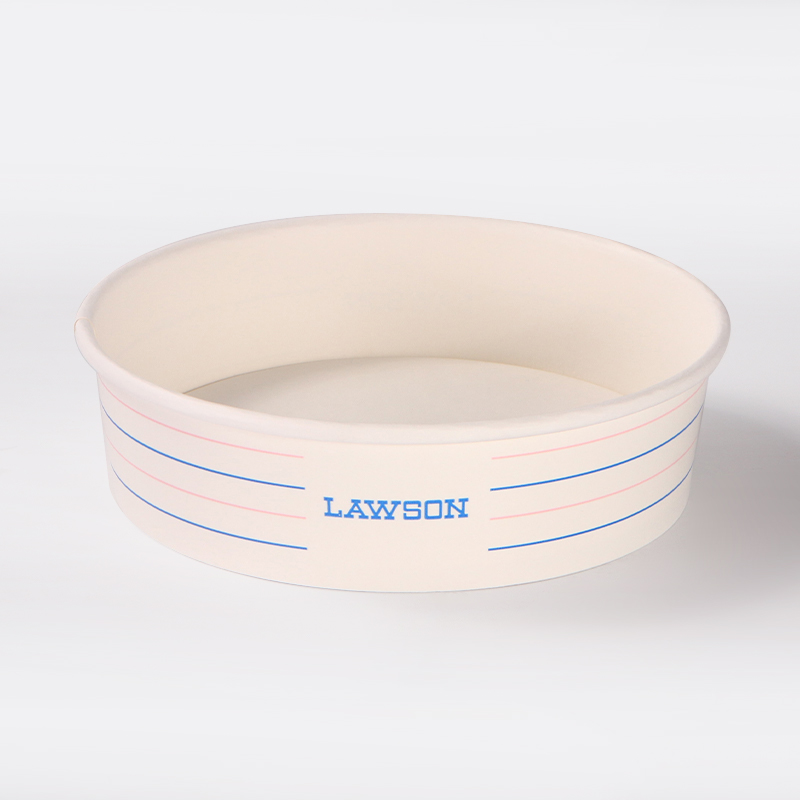
How to Pick the Right Round Paper Bowl for Your Event
Choosing round paper bowls isn't just about grabbing whatever's cheapest. A few practical questions can help narrow down the best option for your specific needs:
- Will the food be hot, cold, or dry? This determines whether you need a coated or uncoated bowl.
- How long will the food sit in the bowl before being eaten? Longer wait times call for sturdier, leak-resistant materials.
- Do guests need to eat with their hands, a spoon, or chopsticks? This affects how deep or wide the bowl should be.
- Is branding important? Many suppliers offer custom printing on round paper bowls for restaurants and events.
- What's your budget per unit? Bulk ordering round paper bowls usually brings the per-piece cost down significantly.
Taking a few minutes to think through these details before placing a bulk order can save money and prevent the frustration of bowls that don't hold up to the food being served.
Eco-Friendly Options Worth Considering
Sustainability has become a major factor when businesses choose disposable tableware, and round paper bowls are often marketed as a greener alternative to plastic or foam. However, not every paper bowl is automatically eco-friendly. Look for certifications like FSC (Forest Stewardship Council) for responsibly sourced paper, or BPI certification if the bowl is labeled compostable. Bowls made from bagasse-blended paper, bamboo fiber, or unbleached kraft paper tend to have a smaller environmental footprint than heavily bleached or plastic-lined versions.
It's also worth checking whether your local waste system can actually process compostable round paper bowls. Many compostable products require industrial composting facilities to break down properly, and simply throwing them in a regular trash bin won't provide the environmental benefit customers expect.
Storage and Handling Tips
Proper storage keeps round paper bowls in good condition and ready to use without warping, crushing, or absorbing odors from nearby items. Following a few simple habits can extend their shelf life and keep your stock looking presentable.
- Store bowls in a cool, dry area away from direct sunlight to prevent discoloration.
- Keep original packaging sealed until use to protect against dust and moisture.
- Avoid stacking heavy items on top of stored bowls, which can crush or deform them.
- Rotate stock using a first-in, first-out method so older bowls are used before newer ones.
Common Mistakes to Avoid When Buying
Even experienced buyers can run into avoidable problems when ordering round paper bowls in bulk. One common mistake is choosing the thinnest, cheapest option without testing it against the specific food being served, which can lead to leaks or collapsed bowls mid-service. Another mistake is ignoring lid compatibility — if you plan to offer bowls with lids for takeout, it's essential to confirm the lid size actually matches the bowl rim, since not all round paper bowls follow a universal sizing standard.
Buyers also sometimes overlook microwave or freezer compatibility when customers expect to reheat or store leftovers. Checking the product specifications before bulk ordering can prevent costly returns and customer complaints. Finally, skipping a small trial order before committing to a large purchase is a common misstep — testing a sample batch of round paper bowls with your actual menu items is the safest way to confirm they'll perform as expected.
Custom Packaging Made Easy
From concept to delivery, our team ensures your custom packaging needs are met with efficient communication and professional service.
-
 01
01
Briefing
-

-
 02
02
Material & Structure
-
-
 03
03
Artwork & Printing
-
-
 04
04
Sampling
-
-
 05
05
Testing & Approval
-
-
 06
06
Production & Delivery
-
-
Suzhou Accum Packaging Co., Ltd.
Contact us
TEL: +86 512 6378 6312 TEL: +86 182 6183 5029 Add: Zhujiabang, Zhenze Town, Wujiang District, Suzhou city, Jiangsu Province, China -
Quick Link
Home Products About Us Solutions News Contact Us -
Products Links
Paper Cup Paper Container Retail Shelf Packaging Paper Tray Paper Bucket Accessory Latest Stainless Bottle -
News
The Complete Round Paper Bowl Buying Guide for Home and Business Use Paper Cup Holder: How to Pick the Right One Without the Guesswork Why Does My Paper Straw Get Soggy So Fast? (And Other Paper Straw Questions Answered) -
Mobile
