
 English
 中文简体
中文简体 Español

Sauce Paper Cup: A Simple Guide to Sizes, Uses, and Buying Tips
Anyone who has packed takeout orders knows the pain of a sauce container that leaks halfway through delivery. That's usually where a sauce paper cup comes in handy. These small, disposable cups are designed specifically to hold condiments, dips, and sauces without soaking through or spilling into the rest of the order. This article breaks down what makes a good sauce paper cup, how sizing works, where they're used most, and what to look for before placing a bulk order.
Content
What Makes a Sauce Paper Cup Different from Regular Paper Cups
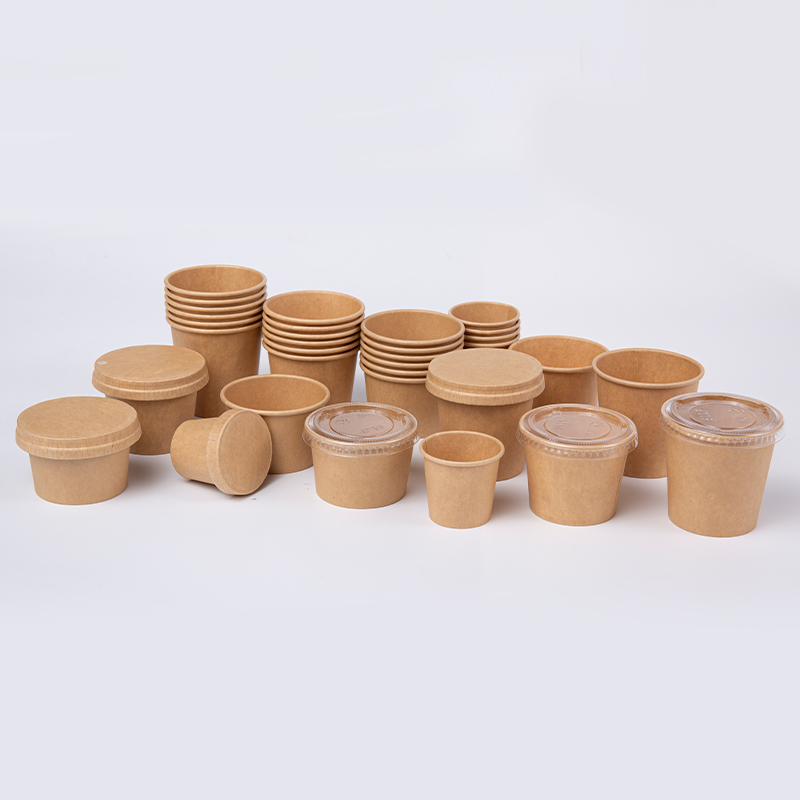
A sauce paper cup isn't just a shrunken drink cup. It's built with a different purpose in mind — holding small amounts of liquid or semi-liquid food for a short period, usually less than a day. Most sauce paper cups are made from food-grade paperboard with a thin polyethylene (PE) coating on the inside. This coating is what keeps grease, oil, and moisture from soaking through the paper walls, which would otherwise cause the cup to go soft and leak. Compared to a standard beverage cup, sauce paper cups tend to have a shorter, wider shape, a flat bottom for stability, and sometimes a slightly reinforced rim so a lid can snap on securely.
Standard Sizes and What They're Used For
Sauce paper cups usually come in a handful of standard sizes, and picking the right one depends on what you're serving. Here's a general breakdown most restaurants and food service operations follow:
| Size | Typical Use | Notes |
| 0.75 - 1 oz | Ketchup, soy sauce, hot sauce | Good for single-serving condiments |
| 2 oz | Ranch, salsa, guacamole | Common for dipping sauces |
| 4 oz | Gravy, curry sauce, queso | Better for heavier or thicker sauces |
| 8 oz | Soup, side sauces, small portions of food | Sometimes used as a mini food cup instead |
Where You'll Typically Find Sauce Paper Cups in Use
Sauce paper cups show up across a wide range of food service settings, and each one tends to favor slightly different sizes or features.
Takeout and Delivery Orders
Restaurants packing food for delivery apps rely on sauce paper cups with tight-fitting lids to prevent leaks during transport. A cup that shifts or tips during a bumpy ride can ruin an entire bag of food, so leak resistance matters more here than almost anywhere else.
Buffets and Self-Serve Stations
At buffets, salad bars, and condiment stations, sauce paper cups let customers portion out exactly what they want without contaminating a shared container. Lids aren't always necessary in this setting since the cups are used immediately.
Food Trucks and Outdoor Vendors
Vendors working outdoors or in tight spaces often prefer sauce paper cups over plastic ones because they stack more compactly and take up less storage room, which matters a lot when counter space is limited.
Key Features to Check Before You Buy
Not every sauce paper cup is built the same, and a few small details can make a big difference in performance:
- Grease and moisture resistance — check whether the cup has a PE coating rated for oily or acidic sauces, since some cheaper cups soften quickly with vinegar-based sauces.
- Lid compatibility — confirm the cup rim matches a specific lid size, since mismatched rims are one of the most common causes of spills.
- Stackability — cups that nest tightly together save storage space and make refilling dispensers faster during a rush.
- Microwave safety — some paper sauce cups can handle brief microwave reheating, but always check the packaging since coatings vary by manufacturer.
- Print and branding options — many suppliers offer custom-printed sauce paper cups, which can be a low-cost way to reinforce branding on every order.
Are Sauce Paper Cups Eco-Friendly?
Compared to plastic portion cups, sauce paper cups are generally seen as a more sustainable option because the base material is paperboard rather than petroleum-based plastic. That said, the PE coating that makes them leak-resistant also makes standard recycling difficult in many areas, since the plastic layer needs to be separated from the paper first. For businesses looking to go greener, compostable sauce paper cups made with plant-based coatings (like PLA) are becoming more widely available, though they typically cost more and may not hold up as well with very hot or oily sauces. It's worth checking with your local waste management provider to see whether commercial composting is available before switching over.
How to Order the Right Amount for Your Business
Ordering too few sauce paper cups means running out mid-shift, while ordering too many ties up storage space and cash. A simple way to estimate is to track how many sauce or dip orders you serve in a typical week, then add a 15-20% buffer for busier days or events. Most suppliers sell sauce paper cups in sleeves of 100 or cases of 1,000 to 5,000, and buying in larger case sizes usually brings the per-unit cost down significantly. If you're testing a new sauce or menu item, it's smart to order a smaller trial batch first to make sure the cup size and lid combination actually works well with that specific sauce's thickness and temperature.
Choosing the right sauce paper cup comes down to matching the cup to the sauce, the setting, and how the food will travel. A cup that works great for salsa at a buffet might not hold up for hot gravy in a delivery bag. By paying attention to size, coating quality, and lid fit, you can cut down on spills, keep food presentation clean, and avoid the common headaches that come with the wrong container choice.
Custom Packaging Made Easy
From concept to delivery, our team ensures your custom packaging needs are met with efficient communication and professional service.
-
 01
01
Briefing
-

-
 02
02
Material & Structure
-
-
 03
03
Artwork & Printing
-
-
 04
04
Sampling
-
-
 05
05
Testing & Approval
-
-
 06
06
Production & Delivery
-
-
Suzhou Accum Packaging Co., Ltd.
Contact us
TEL: +86 512 6378 6312 TEL: +86 182 6183 5029 Add: Zhujiabang, Zhenze Town, Wujiang District, Suzhou city, Jiangsu Province, China -
Quick Link
Home Products About Us Solutions News Contact Us -
Products Links
Paper Cup Paper Container Retail Shelf Packaging Paper Tray Paper Bucket Accessory Latest Stainless Bottle -
News
The Complete Round Paper Bowl Buying Guide for Home and Business Use Paper Cup Holder: How to Pick the Right One Without the Guesswork Why Does My Paper Straw Get Soggy So Fast? (And Other Paper Straw Questions Answered) -
Mobile
