
 English
 中文简体
中文简体 Español

Paper Bag Guide: How to Pick the Right One for Your Business
A torn paper bag in the middle of a customer's walk home is a bad look for any business, and it usually comes down to picking the wrong bag for the job. A paper bag might seem like a simple, low-cost item, but there's actually a lot of variation between bag types, weights, and handle styles that affects how much they can hold and how long they last. This guide breaks down the different kinds of paper bags, how to judge strength and durability, and what to check before ordering in bulk for a retail store, restaurant, or grocery business.
Content
Understanding the Different Types of Paper Bags
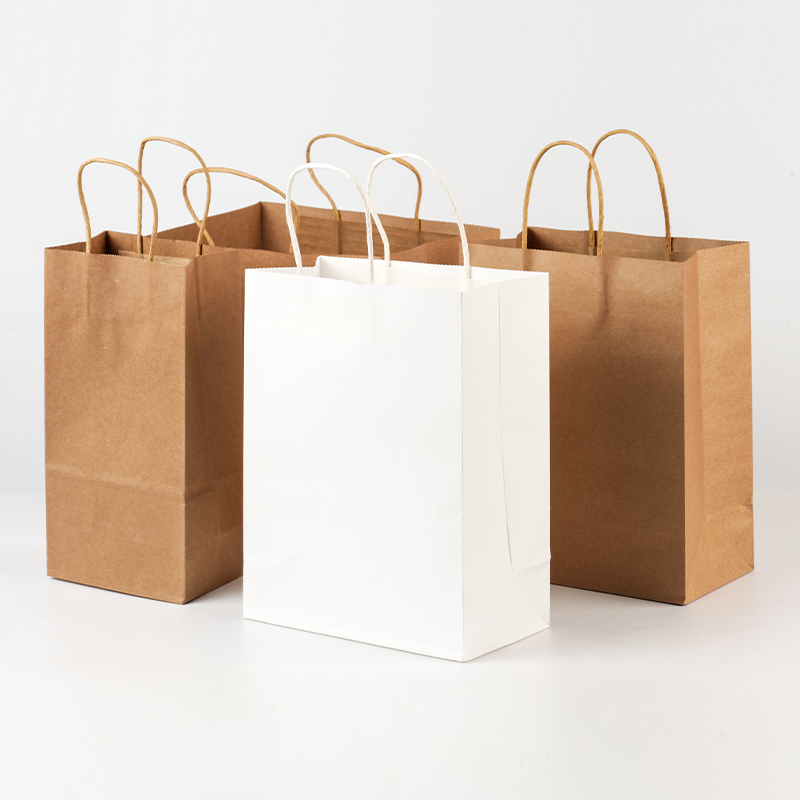
Not every paper bag is built for the same purpose. Retailers and restaurants use different styles depending on what's being carried, how heavy it is, and whether the bag needs to stand upright on a counter or shelf. Below are the most common categories you'll run into:
| Bag Type | Typical Use | Handle Style |
| Flat Bottom (SOS) | Groceries, bakery items, bulk snacks | Usually none, or twisted paper handles |
| Flat Handle Bag | Retail purchases, boutique packaging | Flat paper strip handles |
| Twisted Handle Bag | Gift shops, clothing stores | Rope-style twisted paper handles |
| Takeout Bag | Restaurants, food delivery | Flat handles or none, often grease-resistant |
| Merchandise Bag | General retail, small purchases | Varies, sometimes handle-free |
How Paper Weight Affects Strength
The strength of a paper bag comes down to the weight and quality of the paper used, usually measured in pounds (lb) for the paper stock. A lightweight paper bag around 40-50 lb works fine for light items like pastries or small gifts, but it won't hold up under heavier groceries or bottles. Mid-weight bags in the 60-70 lb range are a common choice for general retail and grocery use, offering a good balance of cost and durability. For heavier loads like bottled drinks, canned goods, or bulk hardware items, a heavier 70-80 lb kraft paper bag is a safer bet, since it resists tearing at the seams and bottom fold, which is usually where a weaker bag fails first.
Choosing the Right Bag for Your Industry
Different industries tend to gravitate toward specific paper bag styles based on what they're packaging and how customers use the bag afterward.
Grocery and Convenience Stores
Flat bottom paper bags are the standard here because they stand upright on their own, making it easier for staff to pack items quickly at checkout. Reinforced bottoms are worth paying extra for if you're regularly bagging heavier items like canned goods or glass bottles.
Restaurants and Food Delivery
Takeout-style paper bags need a bit of grease resistance, especially for orders involving fried food or oily sauces. Some suppliers offer bags with a light wax or PE coating on the inside specifically to prevent grease from soaking through and weakening the paper.
Retail and Boutique Shops
Twisted handle or flat handle bags are popular in retail settings because they look more polished and are comfortable to carry over longer distances. Many boutiques also use these bags as a branding tool, printing logos or designs directly on the paper.
Practical Tips for Buying Paper Bags in Bulk
Ordering paper bags for a business is different from grabbing a few at the store, and a few smart choices upfront can prevent wasted money later:
- Match the bag size to your most commonly sold items rather than sizing for the largest possible order, which often leads to wasted paper and higher costs.
- Test load capacity by packing a sample bag with your heaviest typical order before committing to a large case purchase.
- Ask about recycled content percentage if sustainability messaging matters to your customers, since many suppliers now offer bags made from 80-100% recycled kraft paper.
- Consider custom printing minimums, since small businesses may find blank bags with a simple stamped logo more cost-effective than full custom printing.
- Store bags flat and away from moisture, since paper bags can weaken significantly if stored in a humid stockroom.
Paper Bags vs Plastic: Why Businesses Are Making the Switch
A growing number of cities and states have restricted or banned single-use plastic bags, which has pushed many businesses toward paper as the default option. Beyond regulation, paper bags are generally viewed more favorably by environmentally conscious customers, since they break down faster and are easier to recycle through standard curbside programs. The tradeoff is that paper bags typically cost more per unit than thin plastic bags and don't hold up as well in wet conditions, so some businesses use a hybrid approach, offering paper bags with an optional plastic liner for wet or frozen items.
Choosing the right paper bag really comes down to matching the paper weight, size, and handle style to what you're actually packing. A bag that works perfectly for a boutique clothing store won't necessarily hold up for a grocery run, so it pays to think through your specific use case before placing a bulk order. Getting this right means fewer ripped bags, happier customers, and packaging that actually reflects the quality of your business.
Custom Packaging Made Easy
From concept to delivery, our team ensures your custom packaging needs are met with efficient communication and professional service.
-
 01
01
Briefing
-

-
 02
02
Material & Structure
-
-
 03
03
Artwork & Printing
-
-
 04
04
Sampling
-
-
 05
05
Testing & Approval
-
-
 06
06
Production & Delivery
-
-
Suzhou Accum Packaging Co., Ltd.
Contact us
TEL: +86 512 6378 6312 TEL: +86 182 6183 5029 Add: Zhujiabang, Zhenze Town, Wujiang District, Suzhou city, Jiangsu Province, China -
Quick Link
Home Products About Us Solutions News Contact Us -
Products Links
Paper Cup Paper Container Retail Shelf Packaging Paper Tray Paper Bucket Accessory Latest Stainless Bottle -
News
The Complete Round Paper Bowl Buying Guide for Home and Business Use Paper Cup Holder: How to Pick the Right One Without the Guesswork Why Does My Paper Straw Get Soggy So Fast? (And Other Paper Straw Questions Answered) -
Mobile
