
 English
 中文简体
中文简体 Español

Kraft Paper Trays: A Simple Guide to Choosing the Right Ones for Your Food Business
Content
- 1 What Are Kraft Paper Trays and Why Food Businesses Are Switching to Them
- 2 Types of Kraft Paper Trays Based on Coating and Structure
- 3 Key Benefits of Using Kraft Paper Trays in Food Service
- 4 Comparing Kraft Paper Trays to Foam and Plastic Trays
- 5 Best Food Applications for Kraft Paper Trays
- 6 How to Choose the Right Kraft Paper Tray for Your Business
- 7 Common Mistakes to Avoid When Using Kraft Paper Trays
What Are Kraft Paper Trays and Why Food Businesses Are Switching to Them
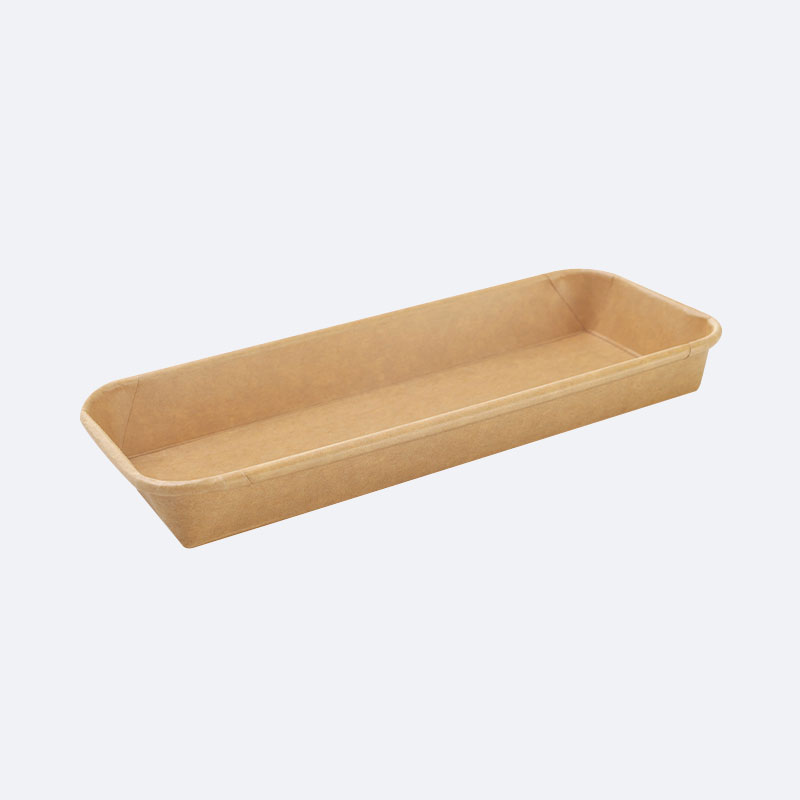
Kraft paper trays are sturdy, molded or die-cut trays made from natural brown kraft paperboard, commonly used to serve, present, and transport food items. Unlike foam or plastic trays, kraft paper trays are made from renewable wood pulp fibers that are biodegradable and often recyclable, making them a popular choice for restaurants, bakeries, food trucks, and catering services aiming to reduce their environmental footprint. Their natural brown color and slightly textured surface also give food a rustic, artisanal presentation that appeals to customers who associate the look with freshness and quality.
The shift toward kraft paper trays isn't purely aesthetic. Many regions have introduced restrictions on foam and single-use plastic food containers, pushing businesses to find sturdy alternatives that still hold up under grease, moisture, and heat. Kraft trays, especially those with food-safe coatings, have become a practical answer to this challenge, offering a balance between functionality and sustainability that customers increasingly expect.
Types of Kraft Paper Trays Based on Coating and Structure
Not all kraft paper trays perform the same way once food is placed inside them. The coating and structural design determine how well a tray handles grease, liquids, and heat, so it's worth understanding the main variations available.
Uncoated Kraft Trays
These trays are made from plain kraft paperboard without any additional lining. They work well for dry foods like pastries, sandwiches, or fries served for short periods, but they aren't ideal for greasy or wet items since the paper can absorb moisture and lose rigidity over time.
PE-Coated Kraft Trays
A thin polyethylene lining is applied to the inner surface, giving the tray better resistance to grease and moisture. This makes PE-coated trays a common choice for burgers, fried foods, and other items with higher fat or liquid content.
Compostable Bio-Coated Kraft Trays
Instead of plastic-based linings, these trays use plant-derived coatings such as PLA to achieve similar grease resistance while remaining fully compostable under industrial composting conditions. They're often chosen by brands wanting to avoid plastic entirely, even in trace amounts.
- Uncoated trays — best for dry snacks, baked goods, and short-term display
- PE-coated trays — best for burgers, fries, and greasy hot food items
- Bio-coated compostable trays — best for brands prioritizing plastic-free packaging
- Double-walled kraft trays — best for heavier or larger food portions needing extra support
Key Benefits of Using Kraft Paper Trays in Food Service
Switching to kraft paper trays brings advantages that extend beyond environmental responsibility, affecting everything from cost management to customer perception.
- Lightweight yet sturdy enough to hold most food items without collapsing
- Naturally biodegradable, reducing landfill waste compared to foam trays
- Compatible with branded printing for a more professional, custom look
- Stackable design that saves storage space in busy kitchens
- Helps businesses comply with local bans on foam and plastic food packaging
Comparing Kraft Paper Trays to Foam and Plastic Trays
Understanding how kraft trays stack up against traditional foam and plastic options helps businesses make an informed packaging decision based on performance and sustainability goals.
| Feature | Kraft Paper Tray | Foam Tray | Plastic Tray |
| Biodegradability | Yes | No | No |
| Grease Resistance | Medium to High (with coating) | High | High |
| Customization | Easy to print and brand | Limited | Moderate |
| Customer Perception | Natural, eco-conscious | Outdated, wasteful | Neutral to negative |
Best Food Applications for Kraft Paper Trays
Kraft paper trays are versatile enough to serve a wide range of food types, though certain applications benefit more from their design and material properties.
- Fast food and burger joints serving fries, burgers, and finger foods
- Bakeries and cafes presenting pastries, croissants, and sandwiches
- Food trucks and street vendors needing lightweight, portable serving options
- Catering companies plating appetizers or finger foods for events
How to Choose the Right Kraft Paper Tray for Your Business
Selecting the right kraft tray involves more than picking a size off a catalog. Matching the tray's coating, thickness, and shape to your specific food type ensures better performance and fewer customer complaints.
- Match the coating type to your food's grease and moisture level
- Choose a tray thickness that supports the weight of your typical portion sizes
- Consider custom printing options if brand visibility is a priority
- Check compatibility with microwaves or ovens if reheating is part of your service
- Request samples to test durability under your actual food and serving conditions
Common Mistakes to Avoid When Using Kraft Paper Trays
One frequent mistake is using uncoated trays for greasy or wet foods, which leads to soggy, weakened trays that can leak or collapse before the meal is finished. Another common issue is underestimating portion weight, causing trays to bend or tear during transport, especially for delivery orders. Businesses should also avoid assuming all kraft trays are microwave or oven safe without checking the manufacturer's specifications, since certain coatings can warp or release odors under high heat. Finally, skipping a trial order before switching suppliers can result in inconsistent quality across large purchases, so testing a small batch first helps confirm the tray meets both functional and branding expectations.
Custom Packaging Made Easy
From concept to delivery, our team ensures your custom packaging needs are met with efficient communication and professional service.
-
 01
01
Briefing
-

-
 02
02
Material & Structure
-
-
 03
03
Artwork & Printing
-
-
 04
04
Sampling
-
-
 05
05
Testing & Approval
-
-
 06
06
Production & Delivery
-
-
Suzhou Accum Packaging Co., Ltd.
Contact us
TEL: +86 512 6378 6312 TEL: +86 182 6183 5029 Add: Zhujiabang, Zhenze Town, Wujiang District, Suzhou city, Jiangsu Province, China -
Quick Link
Home Products About Us Solutions News Contact Us -
Products Links
Paper Cup Paper Container Retail Shelf Packaging Paper Tray Paper Bucket Accessory Latest Stainless Bottle -
News
The Complete Round Paper Bowl Buying Guide for Home and Business Use Paper Cup Holder: How to Pick the Right One Without the Guesswork Why Does My Paper Straw Get Soggy So Fast? (And Other Paper Straw Questions Answered) -
Mobile
