
 English
 中文简体
中文简体 Español

Embossed Paper Cup: A Simple Guide to Adding Texture and Style to Your Cups
Content
- 1 What Is an Embossed Paper Cup and Why It's Gaining Popularity
- 2 How the Embossing Process Works on Paper Cups
- 3 Key Benefits of Choosing Embossed Paper Cups for Your Brand
- 4 Comparing Embossed Paper Cups to Standard Printed Cups
- 5 Industries That Benefit Most from Embossed Paper Cups
- 6 How to Choose the Right Embossed Paper Cup Supplier
- 7 Design Tips to Maximize the Impact of Your Embossed Paper Cup
- 8 Common Mistakes to Avoid When Ordering Embossed Paper Cups
What Is an Embossed Paper Cup and Why It's Gaining Popularity
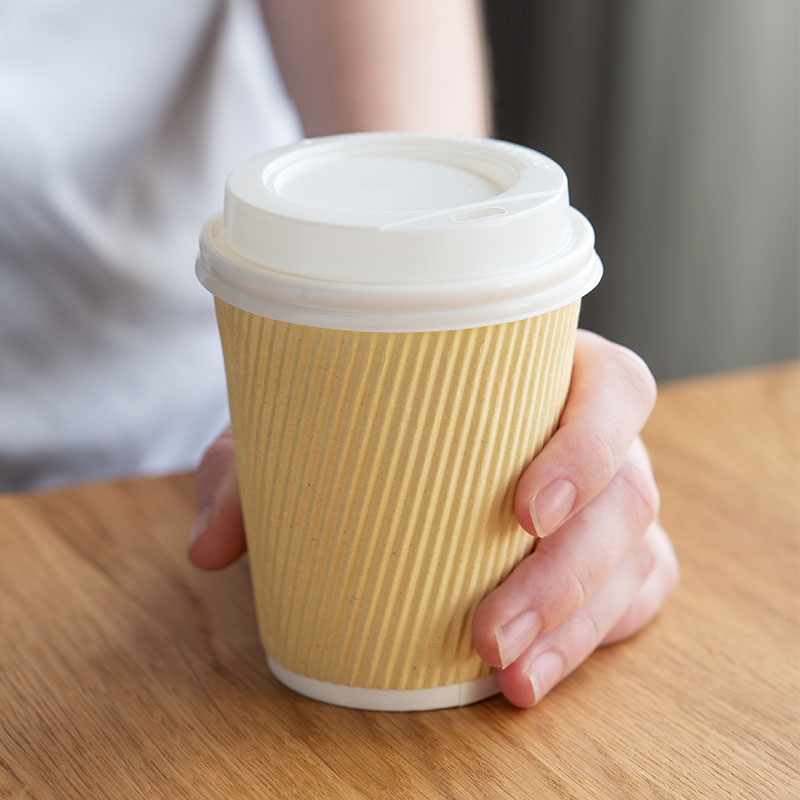
An embossed paper cup is a disposable or reusable cup that features a raised or recessed pattern pressed directly into the paper surface. Unlike a standard flat-printed cup, embossing adds a tactile dimension that customers can feel as soon as they pick up the cup. This texture might be a subtle logo pattern, a geometric grid, a wave design, or even a company's full branding mark pressed into the material. The technique has become increasingly popular among coffee shops, tea houses, bakeries, and premium beverage brands looking to create a more memorable unboxing or drinking experience.
The appeal of an embossed paper cup goes beyond aesthetics. Texture influences how people perceive quality. A cup that feels thicker, more structured, and detailed under the fingers signals to customers that the brand cares about details, even in something as simple as a disposable cup. As competition in the food and beverage industry grows, small design choices like embossing help brands differentiate themselves on shelves, in cafes, and on social media.
How the Embossing Process Works on Paper Cups
Embossing a paper cup requires specialized equipment and a carefully designed metal die that presses the pattern into the paper before or after the cup is formed. Understanding this process helps buyers know what to expect in terms of cost, lead time, and design limitations.
Die Creation
A custom metal die is engraved with the desired pattern or logo. This die acts like a stamp and is one of the most important investments in the embossing process since it determines the sharpness and depth of the final texture.
Pressure Application
The paper stock is fed through a press where the die applies controlled pressure, either raising the design (blind embossing) or pressing it inward (debossing). Some manufacturers combine embossing with foil stamping or ink printing for a layered visual effect.
Cup Forming
Once the paper sheet has been embossed, it's cut, rolled, and sealed into the final cup shape. The embossed pattern typically runs around the body of the cup so it remains visible and touchable no matter how the cup is held.
Key Benefits of Choosing Embossed Paper Cups for Your Brand
Switching to embossed paper cups offers advantages that go far beyond visual appeal. Businesses that adopt this packaging style often notice improvements in customer engagement and brand recall.
- Enhanced tactile experience that makes the cup feel more premium
- Improved grip since embossed textures can reduce slipperiness
- Stronger brand recognition through unique, touchable logo patterns
- Increased shareability on social media due to the distinctive design
- Ability to combine embossing with eco friendly paper materials for a sustainable yet upscale look
Comparing Embossed Paper Cups to Standard Printed Cups
Choosing between an embossed cup and a traditional flat-printed cup depends on your budget, brand positioning, and production timeline. The table below breaks down the key differences.
| Feature | Embossed Paper Cup | Standard Printed Cup |
| Tactile Feel | Raised or recessed texture | Flat, smooth surface |
| Production Cost | Higher due to die creation | Lower, faster turnaround |
| Brand Perception | Premium, detail-oriented | Standard, functional |
| Best Use Case | Cafes, boutique brands, gifting | High-volume, budget-conscious operations |
Industries That Benefit Most from Embossed Paper Cups
While any beverage business can use embossed paper cups, some industries have found them especially effective for building brand identity and customer loyalty.
- Specialty coffee shops looking to elevate the customer experience
- Tea houses and bubble tea brands wanting a distinctive, Instagrammable cup design
- Hotels and event venues offering branded beverage service to guests
- Bakeries and dessert shops pairing embossed cups with matching packaging for gifting
How to Choose the Right Embossed Paper Cup Supplier
Finding a reliable supplier is critical since embossing quality can vary significantly between manufacturers. Before placing a bulk order, it helps to evaluate a few key factors.
- Ask to see physical samples so you can feel the depth and sharpness of the embossing
- Confirm whether the supplier can combine embossing with foil stamping or spot UV coating
- Check minimum order quantities, since custom dies often require larger production runs
- Verify the paper stock is food-safe and compatible with hot or cold beverages
- Compare lead times, since die creation can add extra weeks to production compared to standard printing
Design Tips to Maximize the Impact of Your Embossed Paper Cup
To get the most visual and tactile impact from an embossed paper cup, keep the design simple and bold rather than overly intricate, since fine details can get lost in the embossing process. Logos, single words, or geometric patterns tend to emboss more cleanly than small text or complex illustrations. Pairing embossing with a matte paper finish often enhances the shadow effect created by the raised texture, making the design more visible under different lighting conditions. Many brands also position the embossed pattern near the sipping area so customers physically interact with the texture every time they take a drink.
Common Mistakes to Avoid When Ordering Embossed Paper Cups
One frequent mistake is choosing overly detailed artwork that doesn't translate well into a physical texture, resulting in a blurry or shallow emboss that looks unfinished. Another issue is skipping a sample run before committing to a full production order, which can lead to costly reprints if the depth or placement isn't right. Businesses should also avoid ignoring the paper's thickness, since cups that are too thin may tear or lose their embossed detail during the pressing process. Finally, failing to test the cup with actual beverages, especially hot liquids, can reveal issues with structural integrity that aren't obvious when the cup is empty.
Custom Packaging Made Easy
From concept to delivery, our team ensures your custom packaging needs are met with efficient communication and professional service.
-
 01
01
Briefing
-

-
 02
02
Material & Structure
-
-
 03
03
Artwork & Printing
-
-
 04
04
Sampling
-
-
 05
05
Testing & Approval
-
-
 06
06
Production & Delivery
-
-
Suzhou Accum Packaging Co., Ltd.
Contact us
TEL: +86 512 6378 6312 TEL: +86 182 6183 5029 Add: Zhujiabang, Zhenze Town, Wujiang District, Suzhou city, Jiangsu Province, China -
Quick Link
Home Products About Us Solutions News Contact Us -
Products Links
Paper Cup Paper Container Retail Shelf Packaging Paper Tray Paper Bucket Accessory Latest Stainless Bottle -
News
The Complete Round Paper Bowl Buying Guide for Home and Business Use Paper Cup Holder: How to Pick the Right One Without the Guesswork Why Does My Paper Straw Get Soggy So Fast? (And Other Paper Straw Questions Answered) -
Mobile
