
 English
 中文简体
中文简体 Español
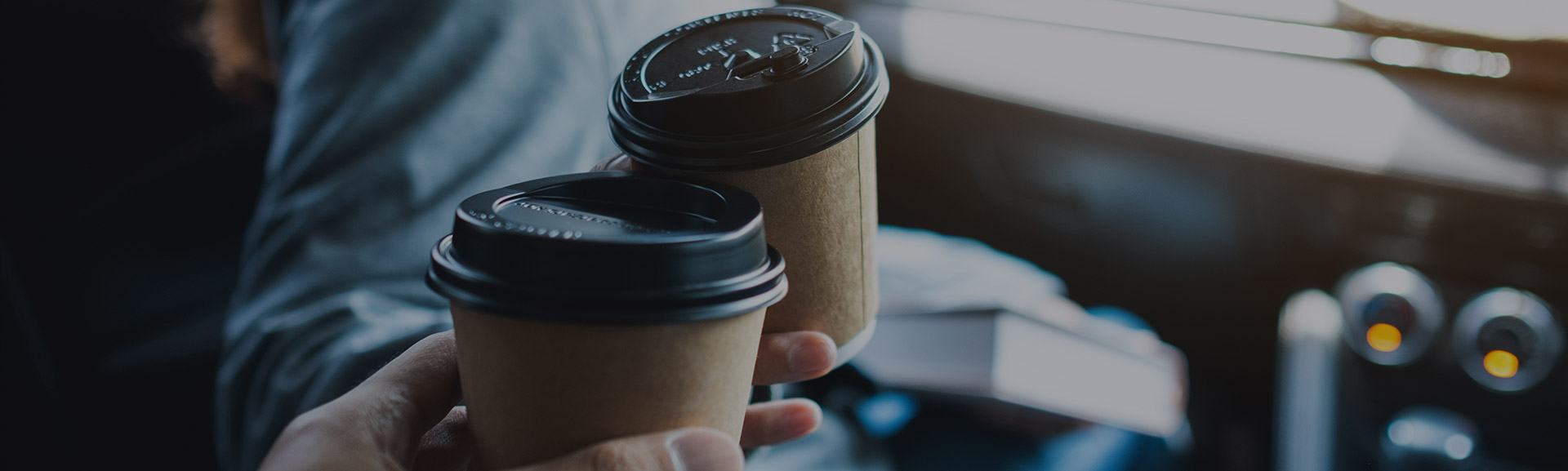
Double Wall Paper Cup: Do You Really Need One for Your Coffee Shop?
Content
- 1 What Is a Double Wall Paper Cup and How Does It Work?
- 2 Double Wall Paper Cup vs. Single Wall Cup With a Sleeve
- 3 Where Double Wall Paper Cups Work Best
- 4 Common Sizes and Lid Fit for Double Wall Paper Cups
- 5 What to Check Before Buying Double Wall Paper Cups
- 6 Eco-Friendly Double Wall Paper Cup Options
- 7 Custom Printed Double Wall Paper Cups for Branding
- 8 Storage and Handling Tips to Avoid Damaged Cups
- 9 Double Wall Paper Cup FAQs
What Is a Double Wall Paper Cup and How Does It Work?
A double wall paper cup is a disposable hot cup made from two layers of paperboard. The inner layer holds the drink, and the outer layer is bonded to it with a small pocket of trapped air in between. That air gap is the key. Air conducts heat poorly, so it slows the heat from a 90°C (194°F) coffee on its way to your customer's hand. The result is a cup that feels warm instead of burning.
You will also see this product called a double walled paper cup, a double wall paper coffee cup, a double wall insulated paper cup, or simply a double wall hot cup. The names are different, but the construction is the same. Most double wall disposable cups also have a polyethylene (PE) or plant-based lining on the inside so liquid does not soak through the paper.
Compared with a standard single wall cup, a double wall paper cup is thicker and a little heavier. It is also firmer when squeezed, which means fewer spills when someone grabs a full cup with one hand.
Double Wall Paper Cup vs. Single Wall Cup With a Sleeve
The most common question café owners ask is whether to buy double wall paper cups or stay with cheaper single wall cups plus cardboard sleeves. The table below compares the two options on the points that matter day to day.
| Factor | Double Wall Paper Cup | Single Wall Cup + Sleeve |
| Heat insulation | Built in, even across the whole cup | Only where the sleeve sits |
| Items to stock | One item | Two items |
| Serving speed | Faster, no sleeve to add | Slower at peak hours |
| Unit cost | Higher per cup | Lower per cup, but sleeves add cost |
| Branding area | Full outer wall can be printed | Cup and sleeve printed separately |
| Heat retention | Drink stays hot longer | Cools faster through the bare wall |
If you serve fewer than 100 hot drinks a day, a single wall cup with a sleeve can be enough. Once you pass that, or when your menu leans on very hot drinks, the time saved and the better customer experience usually justify the extra cost of double wall paper cups.
Where Double Wall Paper Cups Work Best
Double wall paper cups are not only for coffee. Any business that serves hot drinks to go can benefit from them. These are the most common uses:
- Specialty coffee shops serving espresso drinks, lattes, and flat whites at high temperatures
- Tea houses and bubble tea shops that offer hot tea or hot milk tea
- Hot chocolate, soup, and oatmeal stands at markets, festivals, and winter events
- Offices, hotels, and conference venues that need a clean, comfortable cup for guests
- Food trucks and drive-through windows where a sleeve fumbled at the window slows the line
Common Sizes and Lid Fit for Double Wall Paper Cups
Choosing the wrong size or lid is one of the most expensive mistakes buyers make. A cup that looks right but leaks at the rim wastes drinks and customer trust. The table shows typical sizes. Rim diameters can vary slightly by manufacturer, so always test a sample lid before ordering in bulk.
| Cup Size | Typical Rim Diameter | Best For |
| 4 oz | About 62 mm | Espresso shots, tasting samples |
| 8 oz | About 80 mm | Cappuccino, small tea, kids' hot chocolate |
| 12 oz | About 90 mm | Standard latte or americano |
| 16 oz | About 90 mm | Large coffee, flavored lattes |
| 20 oz | About 90 mm | Extra large coffee, hot tea |
Because the 12, 16, and 20 oz sizes often share the same rim diameter, one lid type can cover three cup sizes. That cuts the number of items you stock and makes it easier for staff to grab the right lid quickly.

What to Check Before Buying Double Wall Paper Cups
Paperboard weight and quality
Ask for the paper weight in grams per square meter (GSM). Cups made with weak board can feel soft after a few minutes with a hot drink inside. A well-made double wall paper cup keeps its shape and does not buckle when held firmly.
Seam and bottom strength
Fill a sample cup with boiling water and leave it for 15 to 20 minutes. Check the side seam and the bottom for dampness or leaks. This simple test shows you more than any product description.
Food safety certification
Because the cup touches food and drink, make sure the supplier can provide the relevant food contact documents for your market, such as FDA compliance in the United States or EU food contact regulations in Europe.
Quick buyer checklist
- Request a free or low-cost sample before placing a bulk order
- Test the cup with your actual lids and your hottest drink
- Confirm the minimum order quantity, especially for custom printing
- Ask about lead time and whether reorders keep the same cup quality
- Check how cartons are packed so cups arrive undamaged
Eco-Friendly Double Wall Paper Cup Options
Many customers now ask whether a disposable cup is recyclable or compostable. The answer depends on the inner lining. Standard double wall paper cups use a PE coating, which is difficult for many local recycling systems to separate from the paper. Cups with a PLA (plant-based) lining or a water-based barrier coating are designed to be easier to compost or recycle, but only where the right facilities exist.
Do not rely on the word "eco-friendly" alone. Ask the supplier for certification, such as BPI or OK Compost, and check that your local waste collection actually accepts that type of cup. If it does not, say so honestly on your signage so customers dispose of it correctly. Another useful step is to use a thick-walled double wall cup so that customers do not need extra sleeves, lids with stirrers, or double cupping, which cuts total waste.
Custom Printed Double Wall Paper Cups for Branding
The smooth outer wall of a double wall paper cup is a good canvas for your logo. Because there is no sleeve covering part of the cup, your artwork stays visible all the way around. Many suppliers offer flexographic printing for larger runs and digital printing for smaller orders.
To keep costs under control, start with a one or two color design. A simple logo with a short tagline often looks cleaner than a full-wrap pattern, and it is cheaper to reprint. Order enough stock for at least two to three months, since reordering small batches of printed cups usually costs more per unit.
Storage and Handling Tips to Avoid Damaged Cups
Even a high-quality double wall paper cup can fail if it is stored badly. Paper absorbs moisture from the air, and a damp cup rim can make it hard for the lid to seal. Follow these basic habits:
- Keep cartons off the floor and away from walls that sweat or leak
- Store in a cool, dry place away from direct sunlight and strong odors
- Do not stack cartons so high that the bottom ones are crushed
- Use older stock first and keep sleeves of cups sealed until needed
- Keep the cup dispenser clean and dry so rims stay round and undamaged
Double Wall Paper Cup FAQs
Can double wall paper cups hold cold drinks?
They can, and the air gap also helps reduce condensation on the outside. However, cups designed for cold drinks usually have a different lining, so check the product specification before using hot cups for iced beverages.
Can I put a double wall paper cup in the microwave?
It is not recommended. The glue and coating are not made for microwave heating, and some cups have small amounts of metal in the printing or seams. Pour the drink into a microwave-safe mug instead.
Are double wall paper cups worth the extra cost?
For most busy cafés, yes. You save on sleeves, spend less staff time, and give customers a more comfortable cup. When you add those savings together, the real cost gap between a double wall paper cup and a single wall cup with a sleeve is often much smaller than the price list suggests.
How long can a hot drink stay in a double wall cup?
A well-made double wall cup with a tight lid keeps a drink hot noticeably longer than a single wall cup, and it should stay leak-free for at least 30 minutes. For longer holding times, a vacuum insulated reusable cup is still the better choice.
Custom Packaging Made Easy
From concept to delivery, our team ensures your custom packaging needs are met with efficient communication and professional service.
-
 01
01
Briefing
-

-
 02
02
Material & Structure
-
-
 03
03
Artwork & Printing
-
-
 04
04
Sampling
-
-
 05
05
Testing & Approval
-
-
 06
06
Production & Delivery
-
-
Suzhou Accum Packaging Co., Ltd.
Contact us
TEL: +86 512 6378 6312 TEL: +86 182 6183 5029 Add: Zhujiabang, Zhenze Town, Wujiang District, Suzhou city, Jiangsu Province, China -
Quick Link
Home Products About Us Solutions News Contact Us -
Products Links
Paper Cup Paper Container Retail Shelf Packaging Paper Tray Paper Bucket Accessory Latest Stainless Bottle -
News
Double Wall Paper Cup: Do You Really Need One for Your Coffee Shop? The Complete Round Paper Bowl Buying Guide for Home and Business Use Paper Cup Holder: How to Pick the Right One Without the Guesswork -
Mobile
