
 English
 中文简体
中文简体 Español

8oz Cup Sleeve Guide: Why It Matters More Than You Think
Grab a hot coffee without a sleeve and you'll understand the problem instantly — the cup burns your hand, or you end up juggling it awkwardly to avoid contact. An 8oz cup sleeve solves this simple but important problem. It's a small strip of material that wraps around a cup to insulate the hand from heat while also giving the cup a bit of grip and structure. This guide covers what an 8oz cup sleeve actually does, the materials used to make one, how sizing and fit work, and what to consider when choosing or ordering sleeves for a coffee shop, cafe, or personal use.
Content
Why an 8oz Cup Sleeve Is More Than Just a Wrap
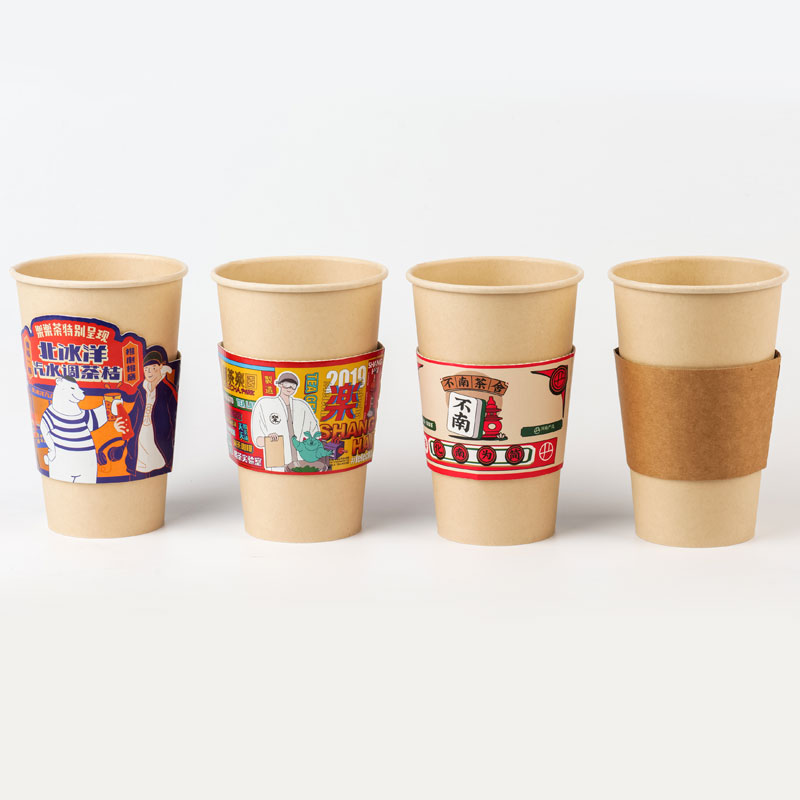
At first glance, a cup sleeve looks like a simple accessory, but it actually serves a few important functions at once. First, it acts as a heat barrier, keeping the outside temperature comfortable even when the drink inside is close to boiling. Second, it adds a layer of grip, since the textured or corrugated surface of most sleeves is less slippery than a bare paper cup, especially when condensation builds up on cold drinks. Third, it gives cafes and coffee shops a branding opportunity, since sleeves are often printed with logos, slogans, or seasonal designs. For an 8oz cup specifically, which is a common size for espresso-based drinks, kids' drinks, or small coffee servings, the sleeve needs to be sized precisely so it doesn't slide off or bunch up.
Materials Used to Make Cup Sleeves
Not all cup sleeves are made the same way, and the material affects how well it insulates and how it feels in the hand. The three most common materials are outlined below:
| Material | Insulation Level | Common Use |
| Corrugated Kraft Paper | High | Hot coffee, tea, cocoa |
| Flat Recycled Paperboard | Medium | Warm drinks, light branding use |
| Foam-Lined Sleeve | Very High | Very hot beverages, long-hold events |
Corrugated kraft paper remains the most popular choice for an 8oz cup sleeve because it strikes a good balance between insulation, cost, and eco-friendliness. The ridged structure traps small pockets of air, which is what actually blocks the heat from transferring through to your hand.
Getting the Fit Right for an 8oz Cup
Sizing matters more than people expect. An 8oz cup is noticeably narrower than a 12oz or 16oz cup, so using a sleeve designed for a larger size will leave it loose, twisted, or prone to sliding down. Here's what to check when matching a sleeve to an 8oz cup:
Diameter and Height
An 8oz cup sleeve is typically shorter and narrower than sleeves made for 12oz or 16oz cups. Always confirm the sleeve is labeled for 8oz specifically, since some suppliers only offer a "universal" size that technically fits but doesn't sit snugly.
Seam and Grip
A good sleeve should have a tight seam that holds its shape without shifting once it's wrapped around the cup. If the seam is too loose, the sleeve can rotate or slide off entirely when someone is holding the cup at an angle.
When You Actually Need a Sleeve on an 8oz Cup
Not every 8oz drink needs a sleeve, so it helps to know when it's worth the extra step:
- Hot drinks served above 160°F, where holding the bare cup would be uncomfortable within seconds.
- Drinks meant to be carried for a while, like during a commute or a walk, where prolonged contact with a hot cup becomes an issue.
- Kids' drinks, where a sleeve adds a safety buffer against accidental burns from small hands gripping the cup too close to the bottom.
- Branded promotional events, where the sleeve doubles as marketing space even if insulation isn't the main concern.
For quick-serve items like espresso shots or drinks meant to be consumed within a minute or two, a sleeve is often unnecessary and just adds extra cost per order.
What to Look for When Ordering Sleeves in Bulk
For businesses ordering large quantities, a few practical details can save money and prevent waste down the line. First, confirm the sleeve size is explicitly labeled for 8oz cups rather than a generic "small" size, since cup manufacturers don't all use the same dimensions. Second, ask suppliers about minimum order quantities for custom printing, since small print runs can significantly raise the per-unit price. Third, request a physical sample before committing to a large order, especially if switching between paper and foam-lined options, since the feel and thickness can vary more than expected between suppliers. Finally, consider storage — flat-packed sleeves take up far less space than pre-formed ones, which matters if storage room behind the counter is limited.
An 8oz cup sleeve might seem like a minor detail in the bigger picture of running a coffee shop or packaging a drink, but it directly affects comfort, safety, and how professional a product feels in someone's hand. Getting the material, fit, and use case right means fewer complaints about burnt fingers and a more polished experience for anyone holding your cup.
Custom Packaging Made Easy
From concept to delivery, our team ensures your custom packaging needs are met with efficient communication and professional service.
-
 01
01
Briefing
-

-
 02
02
Material & Structure
-
-
 03
03
Artwork & Printing
-
-
 04
04
Sampling
-
-
 05
05
Testing & Approval
-
-
 06
06
Production & Delivery
-
-
Suzhou Accum Packaging Co., Ltd.
Contact us
TEL: +86 512 6378 6312 TEL: +86 182 6183 5029 Add: Zhujiabang, Zhenze Town, Wujiang District, Suzhou city, Jiangsu Province, China -
Quick Link
Home Products About Us Solutions News Contact Us -
Products Links
Paper Cup Paper Container Retail Shelf Packaging Paper Tray Paper Bucket Accessory Latest Stainless Bottle -
News
The Complete Round Paper Bowl Buying Guide for Home and Business Use Paper Cup Holder: How to Pick the Right One Without the Guesswork Why Does My Paper Straw Get Soggy So Fast? (And Other Paper Straw Questions Answered) -
Mobile
