

 English
 中文简体
中文简体 Español





INDUSTRY KNOWLEDGE
Can Suzhou Accum Packaging Co., Ltd.'s Paper Cup & Paper Container withstand high-temperature liquids without deformation?
Introduction: Why Heat Resistance Matters in Paper Cups & Paper Containers
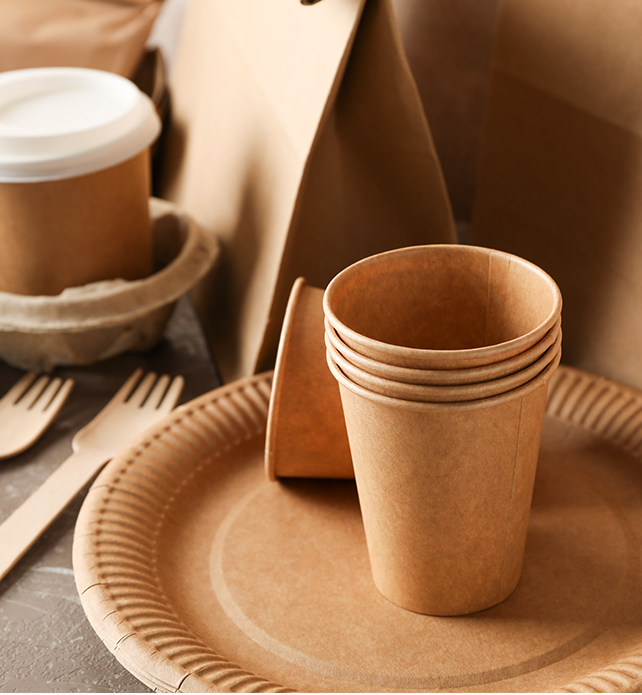
In today’s foodservice and retail landscape, Paper Cups & Paper Containers play a crucial role in delivering both convenience and safety. Whether used for hot beverages, soups, instant meals, or ready-to-eat products, their ability to withstand high-temperature liquids without softening, leaking, or deforming is an essential performance indicator. Buyers in retail, foodservice, and manufacturing sectors increasingly expect packaging that preserves product integrity while supporting efficient handling, merchandising, and consumption.
Understanding Heat Resistance in Paper-Based Food Packaging
Paper packaging by nature relies on structural strength, coating technology, and material composition to tolerate heat. Three key factors influence performance:
-
Base Paper Quality
High-strength virgin fiber paperboard offers better rigidity, stability, and liquid resistance compared with recycled-content boards. -
Coating or Lamination
PE, PLA, aqueous coatings, or multilayer barrier films determine how well the paper resists hot oil, hot water, and steam penetration. -
Structural Design
Wall thickness, cup angle, sealing method, and bottom structure all impact how the container responds to thermal stress.
When these elements work together, a paper cup or container can reliably handle hot beverages, soups, and freshly cooked foods without deforming, leaking, or collapsing.
Accum’s Manufacturing Philosophy: Practical, Reliable, and User-Oriented
Founded in 2016, Suzhou Accum Packaging Co., Ltd. has focused on the manufacturing and innovation of food and beverage packaging. The name Accum, derived from “accumulation,” reflects the company’s steady growth based on the experience, diligence, and technical wisdom of its team.
Even as a young company, Accum has built a 30,000㎡ modern production facility and earned certifications including SEDEX 4P, BSCI B, BRC A, FSC, and ISO 9001. This framework supports disciplined material selection, dependable production management, and traceable quality control—essential foundations for producing heat-resistant Paper Cups & Paper Containers.
Rather than relying solely on marketing claims, Accum emphasizes material reliability, process consistency, and practical problem-solving. Their approach aims not at exaggeration, but at ensuring customers receive packaging that performs predictably in real applications.
Material Selection: The First Step Toward Heat Stability
A paper cup or container must maintain strength even after exposure to hot liquids. Accum achieves this through:
- High-strength paperboard, chosen for rigidity and dimensional stability.
- Food-contact-grade coatings with proven heat-resistance characteristics.
- PE, PLA, or aqueous barrier technologies selected based on application needs.
This ensures that the cup or container does not soften when filled with hot coffee, tea, soup, or sauces.
Advanced Manufacturing and Quality Control
Heat-resistant packaging depends heavily on production precision. Accum’s factory utilizes:
- High-speed forming machines for consistent seams and cup walls.
- Strict bottom curling and sealing control, reducing risks of leakage.
- Advanced inspection systems to detect defects before products reach customers.
Their ISO 9001 and BRC systems ensure material traceability, hygiene management, and process stability—critical for products that encounter high-temperature foods.
Design That Supports Functionality
Effective Retail Shelf Packaging must balance appearance, functionality, and retail efficiency. The same principles apply to heat-resistant Paper Cups & Paper Containers.
Accum’s design team considers:
- Cup shape that disperses heat evenly, preventing soft spots.
- Multi-layer wall options for extra insulation.
- Reinforced sidewalls to maintain stability after pouring hot liquids.
- Containers shaped for easy stacking, secure sealing, and retail readiness, supporting space-saving storage and efficient display.
Through these design considerations, the packaging performs well during both consumer use and retail handling.
How Accum Tests Heat Resistance
To ensure that Paper Cups & Paper Containers withstand high temperatures without deformation, Accum uses practical, real-world evaluation methods:
- Hot water or soup fill tests at temperatures typically between 85–100°C.
- Time-based stability tests, observing rigidity over several minutes.
- Leakage and penetration assessments for coating performance.
- Stacking tests after heat exposure, ensuring containers remain usable.
These tests simulate foodservice and retail scenarios, reflecting the actual challenges that packaging encounters in the market.
Realistic Expectations for High-Temperature Performance
Even high-quality paper packaging has its limits. While Accum’s Paper Cup & Paper Container can handle typical hot beverages, soups, and instant foods, certain conditions may require specialized solutions:
- Extended exposure to boiling temperatures may require double-wall or thicker structures.
- Hot oil or greasy foods may need enhanced barrier coatings.
- Microwave heating depends on specific coating and design choices.
Accum’s strength lies not only in manufacturing, but also in advising customers on the most appropriate structure and material for their application—helping them avoid unnecessary risks and reduce long-term costs.
How Accum Supports Its Customers
Accum places strong emphasis on clear communication and timely response. Their experienced team blends industry expertise with customization capabilities, enabling customers to receive packaging tailored to retail shelf environments, logistics needs, and end-use conditions. The company pledges to respond to customer requirements within 48 hours, ensuring efficient problem-solving and collaboration.
Their guiding principles—customer satisfaction, employee satisfaction, and supplier satisfaction—shape a business philosophy focused on sustainable partnerships rather than unrealistic claims.
Conclusion: Yes, Accum’s Paper Cup & Paper Container Are Built for Hot Liquids—When Matched with the Right Specifications
In summary, Suzhou Accum Packaging Co., Ltd.’s Paper Cup & Paper Container are engineered to withstand high-temperature liquids without deformation under typical usage conditions. Their performance is supported by:
- High-grade raw materials
- Reliable coating technologies
- Advanced equipment
- Strict quality systems
- Thoughtful design and testing
However, the most dependable results come from selecting the right specification based on your actual application. Accum’s team can help evaluate needs and customize solutions, ensuring safety, performance, and retail efficiency.


