
 English
 中文简体
中文简体 Español

The Essential Guide to Paper Soup Containers: Sustainable Solutions for Hot Foods
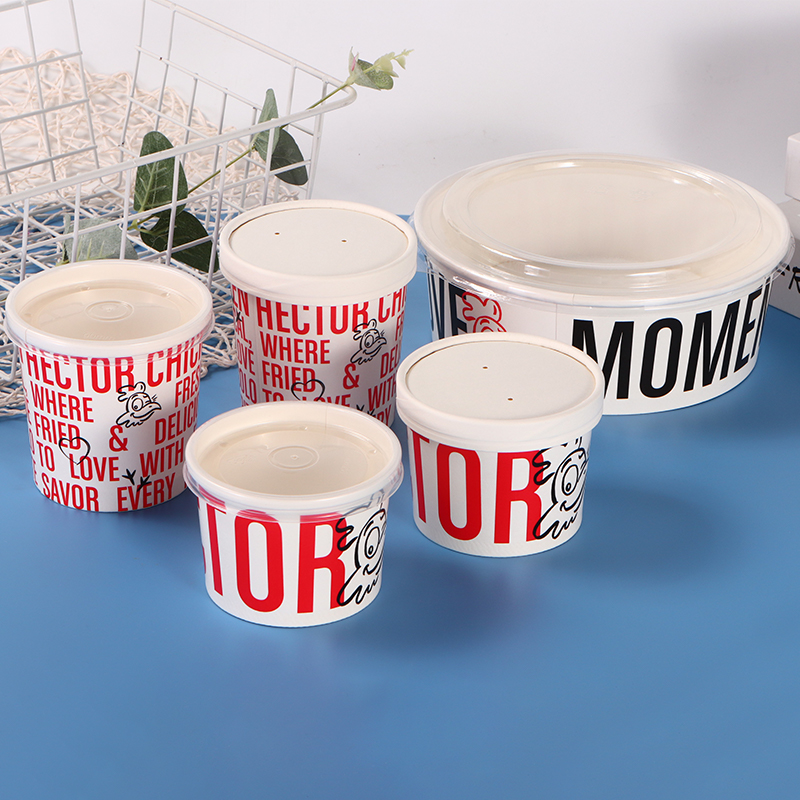
In the modern food service industry, the demand for reliable, eco-friendly, and functional packaging has never been higher. Among the most critical items in a restaurant's inventory is the Paper Soup Container. More than just a bowl, it is a piece of engineered packaging designed to withstand heat, prevent leaks, and maintain the integrity of the meal from the kitchen to the customer’s table.
Whether you are a restaurateur, a food truck owner, or someone looking for better meal-prep solutions, understanding the nuances of paper soup containers is key to a premium dining experience.
Content
Why Choose Paper Over Plastic?
The shift toward paper-based packaging isn't just about aesthetics; it’s about performance and sustainability.
Heat Retention: High-quality paperboard acts as a natural insulator, keeping soups, stews, and porridges hot for longer periods compared to thin plastic.
Eco-Friendliness: Most paper soup containers are made from renewable resources. Many options are now biodegradable or compostable, significantly reducing the carbon footprint of takeout services.
Structural Integrity: Unlike some plastics that may soften or leach chemicals when exposed to boiling liquids, food-grade paperboard is designed to stay rigid and safe under high temperatures.
Key Technical Features
To the naked eye, these containers look simple. However, they incorporate several layers of technology to ensure they perform under pressure:
|
Feature |
Description |
|
PE or PLA Lining |
A thin coating (Polyethylene or plant-based PLA) that prevents the paper from becoming soggy and creates a moisture barrier. |
|
Double-Sided Rim |
A rolled rim provides extra strength and ensures a tight, snap-on seal with the lid to prevent spills. |
|
Vented Lids |
Essential for hot liquids; vents allow steam to escape, preventing pressure buildup and "lid popping." |
|
Microwave Safety |
Many modern paper containers are designed to be microwave-safe for quick reheating (always check for specific manufacturer labeling). |
Versatility Beyond the Soup
While "soup" is in the name, these containers are remarkably versatile. Their heavy-duty construction makes them ideal for a wide variety of food items:
1.Hot Deli Items: Perfect for oatmeal, grits, mac and cheese, or mashed potatoes.
2.Cold Delicacies: They work exceptionally well for frozen yogurt, ice cream, and chilled pasta salads.
3.Dry Goods: Excellent for nuts, granola, or even as sturdy snack cups for catering events.
Choosing the Right Size for Your Business
Selecting the correct volume is crucial for portion control and cost management. Standard sizes typically include:
8 oz (Small): Ideal for side dishes, dipping sauces, or small servings of porridge.
12 oz / 16 oz (Medium): The "standard" size for a single serving of hearty soup or stew.
32 oz (Large): Best for family-sized portions or large noodle soups like Ramen or Pho.
Branding and Customization
One of the greatest advantages of paper soup containers is their printability. Unlike transparent plastic, the matte or glossy surface of a paper container serves as a blank canvas for branding.
Custom-printed containers allow businesses to display logos, social media handles, and brand colors, turning every takeout order into a mobile advertisement. This builds brand recognition and gives the packaging a premium, professional feel.
Conclusion
The humble paper soup container is a powerhouse of the "to-go" world. By balancing thermal efficiency with environmental responsibility, it provides a superior experience for the end-user while supporting the operational needs of food businesses. When choosing your containers, prioritize lining quality, lid fit, and material source to ensure your food stays as delicious as it was when it left the stove.
Custom Packaging Made Easy
From concept to delivery, our team ensures your custom packaging needs are met with efficient communication and professional service.
-
 01
01
Briefing
-

-
 02
02
Material & Structure
-
-
 03
03
Artwork & Printing
-
-
 04
04
Sampling
-
-
 05
05
Testing & Approval
-
-
 06
06
Production & Delivery
-
-
Suzhou Accum Packaging Co., Ltd.
Contact us
TEL: +86 512 6378 6312 TEL: +86 182 6183 5029 Add: Zhujiabang, Zhenze Town, Wujiang District, Suzhou city, Jiangsu Province, China -
Quick Link
Home Products About Us Solutions News Contact Us -
Products Links
Paper Cup Paper Container Retail Shelf Packaging Paper Tray Paper Bucket Accessory Latest Stainless Bottle -
News
The Complete Round Paper Bowl Buying Guide for Home and Business Use Paper Cup Holder: How to Pick the Right One Without the Guesswork Why Does My Paper Straw Get Soggy So Fast? (And Other Paper Straw Questions Answered) -
Mobile
