
 English
 中文简体
中文简体 Español

Why Low-Gram Bamboo Paper Cups are the New Gold Standard
When we think of a "paper cup," we often overlook the complex engineering required to keep a hot liquid contained within a plant-based vessel. Today, the Bamboo Paper Cup—specifically those utilizing low-gram plastic lamination—is redefining the balance between structural integrity and environmental responsibility.
While the previous focus was on the sustainability of the harvest, this article dives into the technical superiority and material efficiency of the product itself.
Content
High-Density Bamboo Fiber: The Structural Advantage
The core of this product is the bamboo pulp. Unlike traditional wood pulp, bamboo fibers are naturally longer and possess a higher tensile strength. This inherent "toughness" allows manufacturers to produce a cup that is:
Thinner yet Stronger: You can achieve the same "hand feel" and firmness as a thick wood-paper cup while using less raw material.
Naturally Heat Resistant: Bamboo’s cellular structure provides a natural thermal barrier, reducing the need for double-sleeving or extra-thick walls.
Aesthetic Appeal: The natural, unbleached hue of bamboo fiber signals "eco-friendly" to the consumer instantly, without the need for heavy dyes or chemical bleaching.
The Technical Breakthrough: "Ultra-Thin" Lamination
The most critical part of a modern bamboo cup is the plastic lining (lamination). Traditionally, thick polyethylene (PE) layers were required to prevent the paper from absorbing moisture. However, the latest generation of bamboo cups utilizes low-gram technology.
How it Works
Through a process called extrusion coating, a molten layer of plastic is applied to the bamboo paper. By optimizing the temperature and pressure, manufacturers can now achieve a continuous, pinhole-free barrier using significantly less polymer (often reducing the weight by 30-50% compared to standard cups).
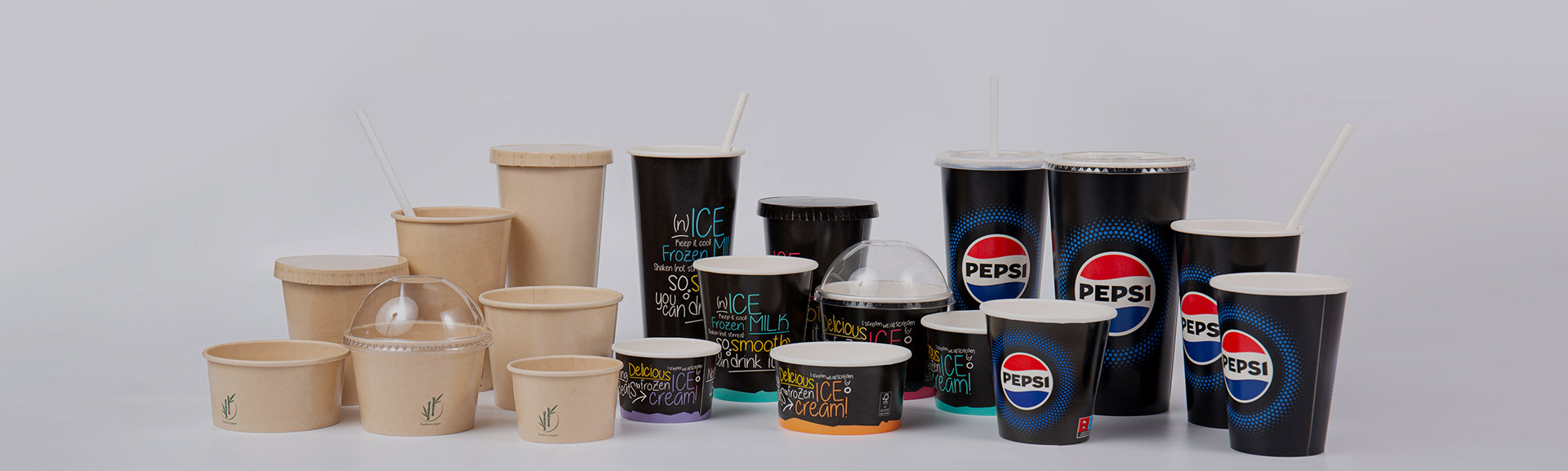
Key Benefits of Low-Gram Linings:
1.Reduced Carbon Debt: By minimizing the weight of the plastic, the energy required for production and the carbon footprint of the raw material are both slashed.
2.Superior Adhesion: Bamboo fibers provide a unique surface texture that allows low-gram plastic to bond more tightly than it does to traditional wood paper, reducing the risk of "delamination" (where the plastic peels away).
3.Enhanced Recyclability: The thinner the plastic layer, the more easily it is "screened out" during the hydrapulping process in recycling plants, allowing the high-quality bamboo fibers to be recovered and reused.
Performance Specs: Hot & Cold Versatility
A common misconception is that "less plastic" means "less durable." On the contrary, low-gram bamboo paper cups are engineered for extreme conditions:
Thermal Stability: These cups are tested to maintain structural integrity at temperatures up to 100°C, ensuring that the low-gram lining does not soften or leach into the beverage.
Cold Condensation Resistance: For iced drinks, the low-gram lining prevents the "sweat" on the outside of the cup from weakening the bamboo walls, preventing the dreaded "soggy bottom" effect.
Rim Integrity: The strength of bamboo allows for a tighter, smoother "rolled rim," which ensures a leak-proof seal with the lid—a common failure point in cheaper alternatives.
The Verdict: A Smarter Choice for a Greener Future
The transition to low-gram bamboo paper cups is not just a trend; it is a technical evolution. By utilizing the natural strength of bamboo and the efficiency of thin-film coatings, brands can provide a premium drinking experience that aligns with global sustainability goals.
It is a product where less is truly more: less plastic, less waste, but more strength and better performance.
Custom Packaging Made Easy
From concept to delivery, our team ensures your custom packaging needs are met with efficient communication and professional service.
-
 01
01
Briefing
-

-
 02
02
Material & Structure
-
-
 03
03
Artwork & Printing
-
-
 04
04
Sampling
-
-
 05
05
Testing & Approval
-
-
 06
06
Production & Delivery
-
-
Suzhou Accum Packaging Co., Ltd.
Contact us
TEL: +86 512 6378 6312 TEL: +86 182 6183 5029 Add: Zhujiabang, Zhenze Town, Wujiang District, Suzhou city, Jiangsu Province, China -
Quick Link
Home Products About Us Solutions News Contact Us -
Products Links
Paper Cup Paper Container Retail Shelf Packaging Paper Tray Paper Bucket Accessory Latest Stainless Bottle -
News
The Complete Round Paper Bowl Buying Guide for Home and Business Use Paper Cup Holder: How to Pick the Right One Without the Guesswork Why Does My Paper Straw Get Soggy So Fast? (And Other Paper Straw Questions Answered) -
Mobile
