

 English
 中文简体
中文简体 Español




INDUSTRY KNOWLEDGE
How Embossing Depth Influences Thermal Protection
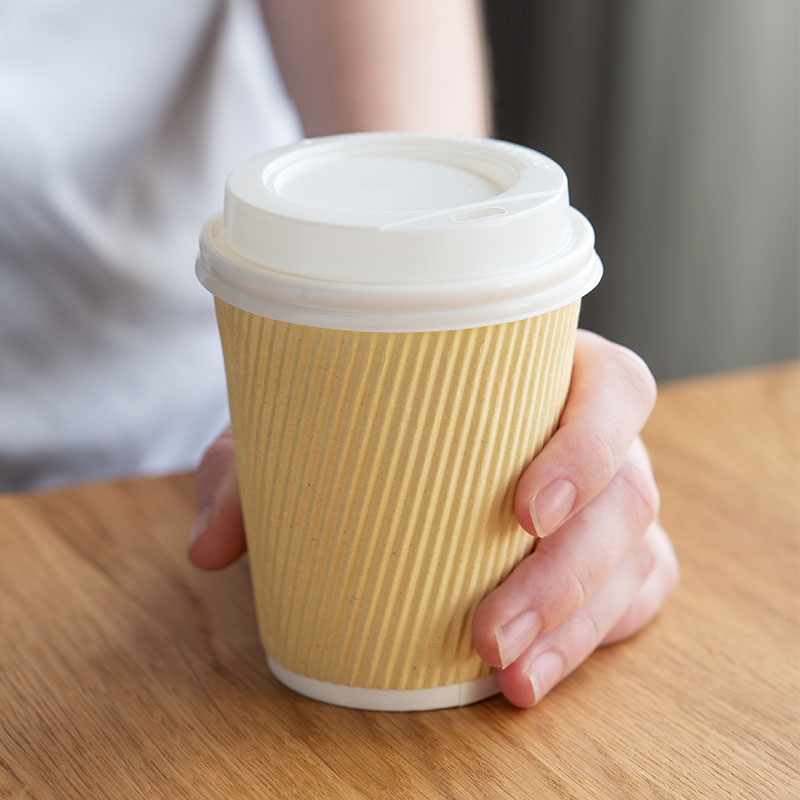
The depth of the embossing pattern on an embossed paper cup is a subtle yet powerful factor in determining heat insulation. Deeper embossing traps more air between the layers, which acts as a natural thermal barrier, reducing heat transfer to the user’s hand. However, too much depth may lead to excessive flexibility and reduced structural strength. Manufacturers often run thermal conductivity and compression tests to determine the optimal depth that balances insulation with cup rigidity.
Enhancing Tactile Comfort Through Pattern Engineering
Embossed paper cups rely on specialized surface textures to create a comfortable and stable grip. Patterns such as waves, diamonds, or micro-dots each deliver a different tactile feel. Wave patterns provide smoother grip transitions, while geometric patterns give precise friction points that enhance control. Designers also consider how patterns interact with human skin or gloves, ensuring a comfortable hold even when beverages exceed 80°C or when customers are on the move.
Selecting the Right Paper Composition for Durable Embossing
Embossing durability depends largely on the composition and fiber strength of the paper. Stiffer, high-GSM paper ensures that embossed patterns remain well defined even after the cup is stacked, handled, or filled with hot liquids. Blends with longer fibers tend to resist deformation better than blends with short fibers. Cup producers also consider the coating type—water-based coatings are flexible enough to accommodate embossing without cracking, while PE coatings provide stronger structural support but require precise embossing pressure to avoid surface flaws.
Embossing vs. Ripple vs. Double Wall: Functional Differences
Embossed paper cups are often compared with ripple wall and double-wall cups, each offering unique performance characteristics. Embossed cups prioritize tactile comfort, aesthetic flexibility, and consistent thermal control with minimal added material. Ripple cups prioritize insulation through a corrugated air layer, whereas double-wall cups focus on maximizing thermal retention through a two-layer barrier. The table below highlights key functional differences that help buyers make decisions based on application requirements.
| Cup Type | Primary Strength | Best Use Scenario |
| Embossed Cup | Enhanced grip + balanced insulation | Takeaway coffee shops, branding-focused businesses |
| Ripple Wall Cup | Maximum surface insulation | High-temperature drinks & prolonged holding |
| Double Wall Cup | Superior heat retention | Premium hot beverages & specialty cafés |
Color Reproduction Techniques for Embossed Surfaces
Achieving accurate color reproduction on embossed paper cups can be challenging, as uneven surfaces can distort ink distribution. To address this, manufacturers often apply printing before embossing, ensuring crisp graphics without interruptions. Alternatively, some brands use high-density inks or UV-flexo printing for better color stability. When embossing is applied after printing, engineers carefully align the embossing mold with the printed artwork to avoid shifting or blurring of key design elements such as logos or QR codes.
Reducing Raw Material Usage Through Smart Embossing Design
Embossing not only enhances appearance and grip but can also contribute to material savings. By increasing apparent thickness and rigidity through texture, manufacturers can use slightly lighter paper without compromising performance. Strategic embossing patterns mimic the strength of thicker substrates by redistributing stress across the surface. This approach supports sustainability goals by reducing fiber consumption while maintaining cup durability in high-volume, commercial settings.
Optimizing Embossed Cups for Automated Dispensers
Embossed surfaces add friction, which can affect cup dispensing in automated machines. To ensure smooth operation, producers adjust embossing height, rim precision, and coating smoothness to balance grip with stackability. Cup deformation tests are performed under varying humidity levels to measure how embossing impacts vertical pressure and stacking tolerance. Proper optimization ensures embossed cups dispense cleanly, preventing machine jams in vending systems and high-speed service stations.


