
 English
 中文简体
中文简体 Español

What Is a Single Wall Paper Cup? A Simple Guide Anyone Can Understand
Content
- 1 What Exactly Is a Single Wall Paper Cup?
- 2 How a Single Wall Paper Cup Is Made
- 3 Where Single Wall Paper Cups Work Best
- 4 Single Wall vs Double Wall: Which One Do You Actually Need?
- 5 Choosing the Right Size for Your Business
- 6 Custom Printing on Single Wall Paper Cups
- 7 Are Single Wall Paper Cups Environmentally Friendly?
- 8 Tips for Buying Single Wall Paper Cups in Bulk
What Exactly Is a Single Wall Paper Cup?
A single wall paper cup is exactly what it sounds like — a cup made from one layer of paperboard, usually coated on the inside with a thin layer of polyethylene (PE) or a plant-based lining like PLA to keep liquid from soaking through. Unlike a double wall paper cup, which has two layers of paper pressed together for extra insulation, a single wall paper cup relies on just one layer. This makes it thinner, lighter, and noticeably cheaper to produce, which is why you see it everywhere from coffee shops to office pantries to fast food counters.
The simplicity of the single wall paper cup is actually its biggest selling point. Fewer materials mean lower cost per unit, faster manufacturing, and less packaging weight when shipping in bulk. For businesses that go through thousands of cups a week, that difference adds up fast.
How a Single Wall Paper Cup Is Made
Most single wall paper cups start as flat paperboard, which is food-grade rated so it's safe for direct contact with beverages. The paperboard is printed first if the cup will carry a logo or design, then die-cut into a specific shape — usually a body panel and a bottom disc. A thin plastic or bio-based coating is applied to the inside surface to make the paper waterproof, since raw paper alone would fall apart within minutes of holding liquid.
The flat pieces are then rolled into a cone or cylinder shape, sealed along the side seam, and the bottom disc is folded and pressed into place to create a leak-resistant seal. The rim is usually curled outward to add rigidity and make it comfortable to drink from, and to give a lid something to snap onto if one is needed.
Where Single Wall Paper Cups Work Best
Because a single wall paper cup doesn't have the extra insulating layer, it's best suited for situations where heat retention and hand comfort aren't the top priority. Here are the most common use cases:
- Cold beverages like soda, iced tea, water, and juice
- Room-temperature or lukewarm drinks served quickly
- Sampling cups for tastings, demos, or trade shows
- Office water coolers and break room stations
- Hot drinks served with a corrugated sleeve for grip and insulation
That last point is worth highlighting — plenty of coffee shops still use single wall paper cups for hot drinks, they just pair them with a cardboard sleeve. This keeps costs down while still protecting the customer's hand from heat.
Single Wall vs Double Wall: Which One Do You Actually Need?
This is the question most people land on eventually, so it helps to see the differences side by side rather than guessing.
| Feature | Single Wall Paper Cup | Double Wall Paper Cup |
| Material used | One paper layer | Two paper layers |
| Cost per unit | Lower | Higher |
| Heat insulation | Low (needs sleeve for hot drinks) | High (no sleeve needed) |
| Best for | Cold drinks, sampling, quick service | Hot coffee, tea, soup |
| Weight | Lighter | Heavier |
If your budget is tight and most of your drinks are cold or served fast, a single wall paper cup usually makes more sense. If you're running a sit-down cafe where customers hold a hot cup for a while, double wall may be worth the extra cost.
Choosing the Right Size for Your Business
Single wall paper cups come in a wide range of sizes, and picking the right one depends entirely on what you're serving. Here's a general breakdown to help you match size to purpose.
Small Cups (4–6 oz)
Great for espresso shots, sampling stations, mouthwash cups in dental offices, or condiment portions. These are also popular for tasting events where guests try multiple small pours.
Medium Cups (8–12 oz)
This is the sweet spot for most coffee shops, office water stations, and fast food soda fountains. It's small enough to keep costs reasonable but large enough to satisfy most customers.
Large Cups (16–22 oz)
Used for large sodas, iced teas, smoothies, and bigger coffee orders. Larger single wall paper cups may need a slightly thicker paperboard to stay sturdy when filled.
Custom Printing on Single Wall Paper Cups
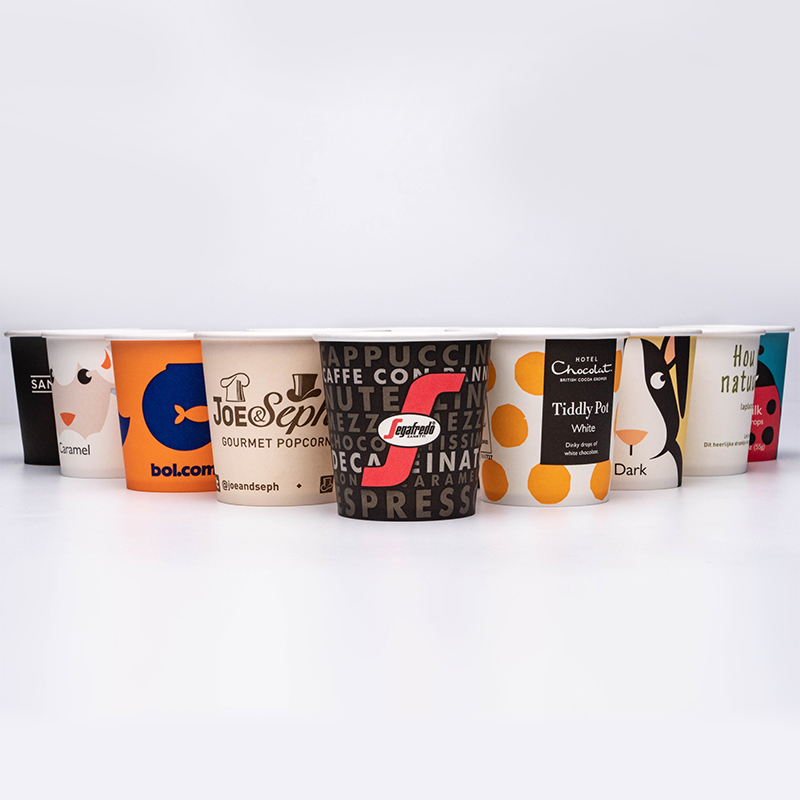
One of the most underrated benefits of the single wall paper cup is how easy and affordable it is to brand. Because the surface is flat paperboard before it's rolled into shape, printers can apply full-color logos, patterns, and messaging with clean, sharp results. Many suppliers offer low minimum order quantities for custom printed single wall paper cups, which makes them accessible even for small cafes or pop-up events, not just large chains.
Common customization options include:
- Full-wrap logo printing in one or multiple colors
- Seasonal or promotional designs
- Size markings printed directly on the cup
- Matching sleeve designs for hot drink service
Are Single Wall Paper Cups Environmentally Friendly?
This is a fair question, and the honest answer is: it depends on the coating. Traditional single wall paper cups use a PE plastic lining, which makes them hard to recycle in most standard paper recycling streams because the plastic and paper need to be separated first. However, many manufacturers now offer single wall paper cups with a PLA lining made from plant starches, which is compostable in industrial composting facilities. If sustainability is a priority for your business, it's worth asking your supplier specifically about the lining material and whether it's recyclable or compostable in your local area, since availability of composting facilities varies by region.
Compared to foam or plastic cups, a single wall paper cup is generally viewed as the more responsible choice since the base material is renewable paperboard rather than petroleum-based foam.
Tips for Buying Single Wall Paper Cups in Bulk
If you're stocking up for a business, a few practical checks can save you money and hassle down the road.
- Confirm the paperboard weight (GSM) — heavier stock holds up better for larger sizes
- Check lid compatibility if you plan to serve to-go drinks
- Ask for a sample before committing to a large print order
- Store cups in a dry area, since paper cups can absorb humidity and warp over time
- Compare pricing per sleeve or case rather than per single cup, since bulk pricing varies widely between suppliers
A single wall paper cup might look like a simple, low-cost item, but choosing the right size, lining, and print option can make a real difference in customer experience and your bottom line. Taking a few minutes to match the cup to its actual use case is a small decision that pays off every single day you're in business.
Custom Packaging Made Easy
From concept to delivery, our team ensures your custom packaging needs are met with efficient communication and professional service.
-
 01
01
Briefing
-

-
 02
02
Material & Structure
-
-
 03
03
Artwork & Printing
-
-
 04
04
Sampling
-
-
 05
05
Testing & Approval
-
-
 06
06
Production & Delivery
-
-
Suzhou Accum Packaging Co., Ltd.
Contact us
TEL: +86 512 6378 6312 TEL: +86 182 6183 5029 Add: Zhujiabang, Zhenze Town, Wujiang District, Suzhou city, Jiangsu Province, China -
Quick Link
Home Products About Us Solutions News Contact Us -
Products Links
Paper Cup Paper Container Retail Shelf Packaging Paper Tray Paper Bucket Accessory Latest Stainless Bottle -
News
Buying Sushi Trays in Bulk? Here’s What to Check Before You Order 8oz Paper Cups: Sizes, Types, Uses & How to Buy the Right Ones Double Wall Paper Cup: Do You Really Need One for Your Coffee Shop? -
Mobile
