
 English
 中文简体
中文简体 Español

Sauce Paper Cup Guide: Types, Sizes, Uses & Buying Tips
Content
- 1 What Is a Sauce Paper Cup and Why Does It Matter?
- 2 Common Types of Sauce Paper Cups
- 3 Size Guide: Choosing the Right Sauce Cup Capacity
- 4 Key Features to Look for When Buying Sauce Paper Cups
- 5 Where Sauce Paper Cups Are Used: Industries and Applications
- 6 Custom Printed Sauce Paper Cups: Branding on a Small Scale
- 7 Sustainability: Are Sauce Paper Cups Eco-Friendly?
- 8 How to Store and Handle Sauce Paper Cups Properly
- 9 Tips for Reducing Sauce Cup Waste Without Hurting Customer Experience
What Is a Sauce Paper Cup and Why Does It Matter?
A sauce paper cup is a small, disposable cup made from food-grade paperboard — typically coated with a thin layer of polyethylene or wax — designed specifically to hold condiments, dipping sauces, dressings, and other liquid or semi-liquid food items. You've seen them at fast food counters, food trucks, catering events, and restaurant takeout counters: those little white or printed cups holding ketchup, ranch, sriracha, or honey mustard. Despite their small size, they play a surprisingly important role in food service hygiene, portion control, and customer experience.
Unlike regular drinking cups, sauce paper cups are engineered to be leak-resistant and grease-proof, ensuring that even oily or acidic sauces don't seep through during the dining experience. They come in a wide range of sizes, typically from 1 oz to 5.5 oz, and are available in plain white, kraft brown, or fully custom-printed designs. Whether you run a burger joint, a sushi restaurant, or a meal prep delivery service, understanding the different types and uses of sauce paper cups can help you make smarter purchasing decisions.
Common Types of Sauce Paper Cups
Not all sauce paper cups are built the same. The material construction, coating type, and cup size all affect how a cup performs with different kinds of sauces. Here's a breakdown of the most common types you'll encounter on the market:
PE-Coated Paper Cups
Polyethylene (PE)-coated sauce cups are the most widely used type in commercial food service. The inner coating creates a moisture barrier that prevents oil and water from penetrating the paperboard. These cups are ideal for holding BBQ sauce, sweet and sour sauce, tartar sauce, and similar condiments. They're cost-effective and available in bulk, making them the go-to choice for high-volume restaurants and fast food chains.
PLA-Lined Eco-Friendly Sauce Cups
PLA (polylactic acid) is a plant-based bioplastic often derived from corn starch. PLA-lined sauce paper cups look and function almost identically to PE-coated ones but are compostable under industrial composting conditions. These are a popular choice for eco-conscious businesses, food festivals, and brands that emphasize sustainability. The trade-off is a slightly higher cost and the need for proper composting infrastructure to actually break them down.
Wax-Coated Paper Sauce Cups
Wax-coated cups are an older technology but still widely used for cold condiments. The wax coating provides excellent moisture resistance, though these cups are generally not suitable for very hot sauces since the wax can soften. They work well for cold dips like ranch, guacamole, or cream cheese-based sauces. They're also not considered recyclable in most municipal systems, which makes them less attractive for businesses with green initiatives.
Kraft Paper Sauce Cups
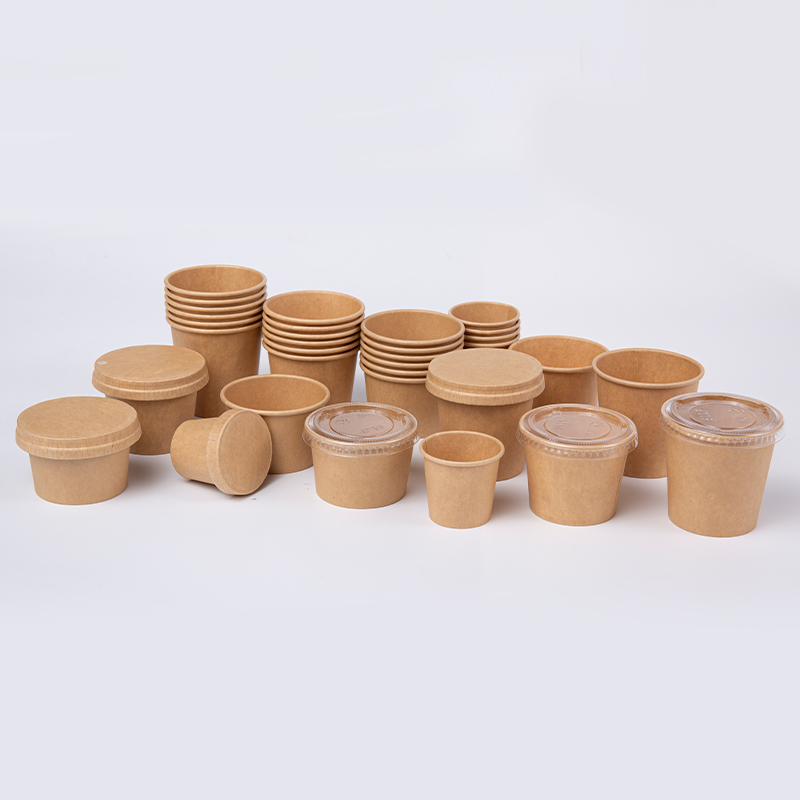
Kraft paper sauce cups have a natural brown look that appeals to artisan restaurants, organic food brands, and farm-to-table concepts. They're often paired with a PE or PLA inner lining and convey a rustic, eco-friendly brand image even before customers read the label. Many businesses use these with custom printing to reinforce their brand identity.
Size Guide: Choosing the Right Sauce Cup Capacity
One of the most overlooked decisions when ordering sauce paper cups is choosing the right size. Too small and customers feel shortchanged; too large and you're wasting product and money. Here's a practical size guide:
|
Cup Size |
Best For |
Typical Use Case |
|
1 oz |
Single-serve condiments |
Ketchup, mustard, hot sauce shots |
|
2 oz |
Dipping sauces |
Ranch, honey mustard, tzatziki |
|
3 oz |
Generous portions |
Cheese sauce, guacamole, hummus |
|
4 oz |
Side condiment servings |
Salad dressing, peanut sauce |
|
5.5 oz |
Soup or sauce sides |
Gravy, curry sauce, broth dips |
For most fast food or casual dining applications, the 2 oz and 3 oz sauce paper cups are the most versatile and frequently reordered sizes. If you're unsure, starting with 2 oz is a safe bet — it's enough for a single serving of most dipping sauces without excess waste.
Key Features to Look for When Buying Sauce Paper Cups
When sourcing sauce paper cups for your business, don't just go for the cheapest option. There are several quality indicators that separate a reliable product from one that will leak, collapse, or disappoint your customers:
- Food-grade certification:Always verify that the cups comply with FDA, LFGB, or equivalent food safety standards. The inner coating must be non-toxic and safe for direct food contact.
- Leak resistance:A well-made sauce paper cup should hold liquids for at least 30 minutes without seeping. Look for double-wall or reinforced bottom constructions for extra security.
- Temperature tolerance:If you're serving hot sauces like gravy or cheese dip, confirm the cup is rated for heat. Most PE-coated cups handle temperatures up to 85°C (185°F).
- Grease resistance:Oil-based sauces like aioli or vinaigrette can degrade low-quality paper cups quickly. Look for cups with a grease-resistant barrier layer.
- Stackability:For storage and service efficiency, cups should stack cleanly without sticking or collapsing. This is especially important for high-volume prep environments.
- Printability:If you want branded cups, ensure the outer surface is compatible with flexographic or digital printing and that the ink is food-safe.
Where Sauce Paper Cups Are Used: Industries and Applications
Sauce paper cups are far more versatile than most people realize. While fast food restaurants are the most obvious users, these cups appear across a wide variety of food service and non-food contexts:
Quick Service Restaurants (QSR) and Fast Food
This is the largest market segment for disposable sauce paper cups. Chains like burger restaurants, fried chicken outlets, and pizza delivery services rely on them to portion out ketchup, BBQ sauce, buffalo sauce, and special dips. Speed and consistency matter here — sauce cups need to be easy to fill, stack, and hand out at scale.
Catering and Event Food Service
At weddings, corporate events, and buffets, sauce paper cups let caterers pre-portion sauces neatly and hygienically without shared serving spoons. This reduces contamination risk and creates a more polished presentation. Custom-printed sauce cups with event branding are increasingly popular for upscale catering.
Meal Kit and Food Delivery Services
Meal kit delivery companies and restaurant delivery platforms use sauce paper cups sealed with foil lids to include measured portions of sauces or dressings in their packaging. The cups need to be leak-proof enough to survive transit inside a delivery bag or insulated box.
Healthcare and Institutional Food Service
Hospitals and care homes use sauce paper cups not just for condiments but also for portion-controlled medication administration (e.g., liquid medicines or supplements served alongside meals). In these settings, sterility and compliance with food and pharmaceutical-grade standards are essential.
Retail and Home Use
Sauce paper cups are also sold in retail packs for home use — ideal for hosting parties, BBQs, or game nights where you want individual portions of dips and sauces without using multiple bowls. They're especially handy for children's snack portions or bento-style packed lunches.
Custom Printed Sauce Paper Cups: Branding on a Small Scale
Custom-printed sauce paper cups are a surprisingly cost-effective branding opportunity. Because every customer interacts with them directly — holding them, dipping into them — they create a tangible brand touchpoint. A well-designed sauce cup with your logo, brand colors, and a catchy tagline can leave a lasting impression and even encourage social media sharing.
Here's what to consider when ordering custom sauce paper cups:
- Minimum order quantities (MOQ):Most manufacturers require a minimum of 5,000–10,000 units for custom printing. Some suppliers offer lower MOQs for digital printing, though the per-unit cost is higher.
- Design wrap area:Sauce cups have a small surface area, so keep designs simple. A logo, one or two brand colors, and a short tagline typically work best.
- Ink safety:Ensure all inks used in printing are food-safe and free of heavy metals. Ask your supplier for compliance documentation.
- Lead time:Custom sauce cups typically take 3–6 weeks from artwork approval to delivery, so plan ahead for seasonal promotions or new location openings.
Sustainability: Are Sauce Paper Cups Eco-Friendly?
The environmental footprint of sauce paper cups is a growing concern for both businesses and consumers. The honest answer is: it depends on the material and end-of-life disposal options available in your area.
Standard PE-coated sauce paper cups are not recyclable through most curbside programs because the plastic lining makes it difficult to separate the paper fiber. PLA-lined cups are technically compostable but require industrial composting facilities that operate at high temperatures — conditions not available in home compost bins or standard landfill environments.
More sustainable options currently gaining traction in the industry include:
- Aqueous-coated cups:These use a water-based coating instead of plastic, making the cup more recyclable and dispersible in composting. Performance is comparable to PE for cold sauces.
- Uncoated molded pulp sauce cups:Made entirely from recycled paper pulp, these are 100% compostable and suitable for dry or thick condiments like hummus or guacamole.
- Reusable silicone sauce cups:For dine-in establishments, reusable silicone sauce cups with washing protocols eliminate disposable waste altogether, though they require upfront investment and cleaning logistics.
If sustainability is a priority for your brand, communicate clearly to customers how to dispose of your sauce cups properly. Misinformation — like labeling a PE-coated cup as "recyclable" when it isn't — can damage brand trust more than using a non-eco product quietly.
How to Store and Handle Sauce Paper Cups Properly
Even the best quality sauce paper cups can be compromised by improper storage. Follow these best practices to maintain cup integrity and food safety compliance:
- Store cups in a cool, dry environment away from direct sunlight, which can degrade the coating and cause warping.
- Keep cups in their original packaging until use to prevent dust contamination and maintain stacking integrity.
- Avoid stacking heavy objects on top of stored cup cartons, which can crush or deform the cup rims and make them difficult to handle.
- Use a dispenser or cup holder rack during service so staff aren't touching the insides of cups when filling them.
- Pre-fill sauce cups during prep time and cover with lids or film wrap if they won't be served immediately, especially for perishable sauces.
- Check the shelf life of unused cups — most paper cups have a recommended storage period of 12–24 months, after which the coating may degrade.
Tips for Reducing Sauce Cup Waste Without Hurting Customer Experience
For businesses looking to cut costs and reduce environmental impact without frustrating customers, here are some practical strategies that work in real food service environments:
Offer Sauce Cups on Request
Rather than automatically including sauce paper cups with every order, train staff to ask customers which sauces they want. This simple change can cut sauce cup usage by 20–40% in casual dining and takeout settings, with minimal customer complaints.
Right-Size Your Cups
Switching from 3 oz to 2 oz cups for standard dipping sauces reduces both material costs and sauce waste per serving. Most customers don't actually use the full volume of a 3 oz cup — they just take the largest cup available.
Integrate Sauce Portions into Packaging
For delivery orders, consider packaging designs that include a built-in sauce compartment or sauce sachet holder, reducing the need for separate sauce paper cups entirely. Some meal kit companies have made this a standard part of their box design.
Switch to Compostable Options Where Infrastructure Exists
If your city or venue has access to industrial composting, switching to PLA-lined or aqueous-coated sauce cups can significantly reduce your landfill contribution. Partner with a local composting service and educate customers with clear bin labeling.
Custom Packaging Made Easy
From concept to delivery, our team ensures your custom packaging needs are met with efficient communication and professional service.
-
 01
01
Briefing
-

-
 02
02
Material & Structure
-
-
 03
03
Artwork & Printing
-
-
 04
04
Sampling
-
-
 05
05
Testing & Approval
-
-
 06
06
Production & Delivery
-
-
Suzhou Accum Packaging Co., Ltd.
Contact us
TEL: +86 512 6378 6312 TEL: +86 182 6183 5029 Add: Zhujiabang, Zhenze Town, Wujiang District, Suzhou city, Jiangsu Province, China -
Quick Link
Home Products About Us Solutions News Contact Us -
Products Links
Paper Cup Paper Container Retail Shelf Packaging Paper Tray Paper Bucket Accessory Latest Stainless Bottle -
News
8oz Paper Cups: Sizes, Types, Uses & How to Buy the Right Ones Double Wall Paper Cup: Do You Really Need One for Your Coffee Shop? The Complete Round Paper Bowl Buying Guide for Home and Business Use -
Mobile
