
 English
 中文简体
中文简体 Español

Paper Soup Container Explained: Sizes, Lids, and Storage Tips You Should Know
Content
What Exactly Is a Paper Soup Container?
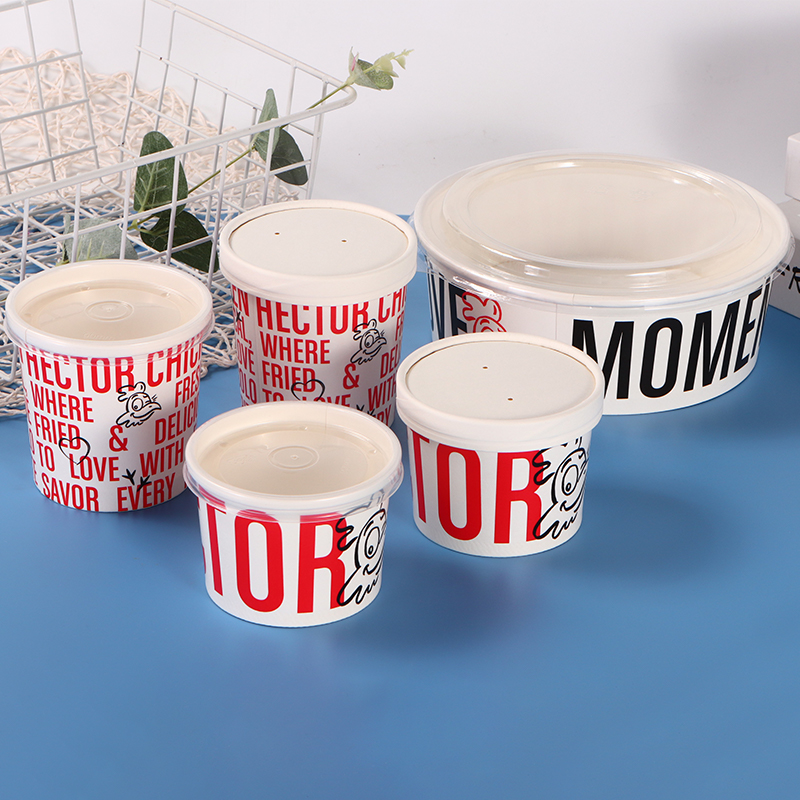
A paper soup container is a disposable food packaging solution made primarily from paperboard, coated on the inside with a thin layer of polyethylene (PE) or a plant-based lining to prevent leaks and sogginess. Unlike plain paper cups used for cold drinks, a paper soup container is engineered to withstand heat, moisture, and grease for extended periods, making it the go-to choice for restaurants, food trucks, delis, and catering services that need to serve hot liquids on the go. The container typically comes with a matching vented or flat lid to keep the contents secure during transport.
What sets a good paper soup container apart from a mediocre one isn't just the outer print or branding — it's the construction. A double-walled or heavily coated paper soup container resists heat transfer better, so customers don't burn their hands while carrying a hot bowl of ramen or chowder. If you've ever picked up takeout soup and felt the container go soft or start leaking at the seams, that's a sign of low-quality paperboard or insufficient lining.
Common Sizes and When to Use Each One
Paper soup containers come in a range of sizes, and choosing the right one affects both customer satisfaction and your bottom line. Ordering the wrong size means either underfilling (which looks cheap) or overfilling (which risks spills and wastes product). Below is a breakdown of the most commonly used sizes in the foodservice industry.
| Size | Typical Use | Best For |
| 8 oz | Small side soup, sauces, dips | Combo meals, appetizer portions |
| 12 oz | Standard cup of soup | Cafes, lunch specials |
| 16 oz | Full bowl of soup | Restaurants, delis, meal replacements |
| 32 oz | Family-size or bulk soup | Catering, group orders, meal prep services |
If your menu includes multiple soup portion sizes, it's worth stocking at least two paper soup container sizes rather than trying to force every order into one option. This keeps portioning consistent and avoids the awkward look of a half-empty large container.
Materials That Actually Keep Soup From Leaking
Leak resistance is the single biggest complaint associated with cheap paper soup containers, so understanding the material makeup matters. Here's what to look for when comparing suppliers:
- PE-coated paperboard: the industry standard, offering a solid moisture barrier at an affordable price point.
- PLA-lined (plant-based) paperboard: a compostable alternative that performs similarly to PE but breaks down in commercial composting facilities.
- Double-wall construction: adds an extra layer of insulation, reducing heat transfer and preventing sweating on the outside.
- Reinforced bottom seams: the most common failure point on a paper soup container, so a tightly rolled or welded seam is a good sign of quality.
When sourcing in bulk, it's smart to request a sample batch and run your own leak test — fill the container with hot water, seal the lid, and let it sit for 20-30 minutes on a paper towel. If there's any visible moisture ring, that container isn't fit for soup service.
Lids Matter Just as Much as the Container
A paper soup container is only as good as the lid that seals it. Vented lids allow steam to escape, which is useful for hot soups that need to be transported over short distances, while flat, fully-sealed lids are better for delivery orders where spill prevention is the top priority. Many suppliers offer both options in matching sizes, so it's worth confirming compatibility before placing a large order.
Vented vs. Non-Vented Lids
Vented lids have small perforations or a pull-tab opening that lets steam release gradually, reducing the pressure buildup that can pop a lid off during transport. Non-vented lids create a tighter seal but can trap steam, which sometimes causes condensation to drip back into the soup. For third-party delivery apps where containers get jostled in a bag, a firm-press non-vented lid combined with a tamper-evident sticker tends to perform best.
Compostable Lid Options
If your paper soup container is compostable, pairing it with a plastic lid defeats the purpose from a sustainability standpoint. Look for fiber-based or PLA lids that break down alongside the container, and make sure your packaging supplier can confirm both pieces meet the same compostability certification.
Cost Considerations for Bulk Ordering
Pricing for a paper soup container typically drops significantly as order volume increases, but it's important to balance cost savings against storage space and shelf life. Buying a six-month supply might save 15-20% per unit, but if you don't have dry, climate-controlled storage, the paperboard can absorb ambient moisture and weaken over time. A good rule of thumb is to order a 60-90 day supply unless you have dedicated storage space and consistent, predictable order volume.
It's also worth comparing pricing between plain (unprinted) containers and custom-branded ones. Plain paper soup containers are almost always cheaper and have shorter lead times, while custom printing adds both cost and a minimum order quantity requirement — often 5,000 to 10,000 units per design. For smaller operations, a branded sticker or label on a plain container is a more flexible and budget-friendly alternative to full custom printing.
Practical Tips for Handling and Storing Paper Soup Containers
Even the best-quality paper soup container can underperform if it's stored or handled incorrectly. Keeping a few practical habits in place will extend the life of your inventory and reduce waste from damaged stock.
- Store containers in a cool, dry area away from direct sunlight, which can weaken the paperboard and cause warping.
- Keep original packaging sealed until use to prevent dust and moisture exposure in a busy kitchen environment.
- Avoid stacking containers too high, as excessive weight can crush the rims and affect lid sealing.
- Never microwave a paper soup container unless it's specifically labeled microwave-safe, since some coatings aren't designed for direct heat exposure.
- Fill hot soup only up to the recommended fill line, usually marked or implied about half an inch below the rim, to leave room for lid sealing without pressure buildup.
Following these habits not only reduces product waste but also protects your brand reputation — a customer who receives a leaking or crushed container is far less likely to reorder, regardless of how good the soup itself tastes.
Custom Packaging Made Easy
From concept to delivery, our team ensures your custom packaging needs are met with efficient communication and professional service.
-
 01
01
Briefing
-

-
 02
02
Material & Structure
-
-
 03
03
Artwork & Printing
-
-
 04
04
Sampling
-
-
 05
05
Testing & Approval
-
-
 06
06
Production & Delivery
-
-
Suzhou Accum Packaging Co., Ltd.
Contact us
TEL: +86 512 6378 6312 TEL: +86 182 6183 5029 Add: Zhujiabang, Zhenze Town, Wujiang District, Suzhou city, Jiangsu Province, China -
Quick Link
Home Products About Us Solutions News Contact Us -
Products Links
Paper Cup Paper Container Retail Shelf Packaging Paper Tray Paper Bucket Accessory Latest Stainless Bottle -
News
Buying Sushi Trays in Bulk? Here’s What to Check Before You Order 8oz Paper Cups: Sizes, Types, Uses & How to Buy the Right Ones Double Wall Paper Cup: Do You Really Need One for Your Coffee Shop? -
Mobile
