
 English
 中文简体
中文简体 Español

The Disposable Paper Cup: From Design to Function
The disposable paper cup is a simple yet indispensable vessel in our daily lives. We use it readily, seldom pausing to consider the precision manufacturing and delicate balance of function that lies behind it. From a simple concept to the final product, the cup's creation is a perfect illustration of modern industry and engineering. It appears straightforward, but its lifecycle involves a complex process that includes careful material specification, efficient engineering design, and a dual focus on convenience and cost-effectiveness.
Content
The Synthesis of Design and Engineering
For a paper cup to safely contain liquid, its manufacturing process is critical. Production begins with specially treated paperboard material, which must be strong enough to resist weakening from moisture. Once on the production line, this paperboard is precisely cut and folded. A key step is the coating process: a thin layer of plastic (such as polyethylene) is typically applied to the inner surface of the paperboard to create a waterproof barrier. It is this lining that ensures the cup maintains its structural integrity when filled with hot or cold beverages, delivering the efficient, convenient function we expect.
The Secret Ingredient: The Plastic Lining
Here's where the magic, and the main challenge, of the disposable paper cup comes in. Paper alone is not waterproof. To make it a functional container for liquids, it must be coated with a barrier. For decades, this barrier has been a thin layer of polyethylene (PE) plastic. This plastic is applied to one side of the paperboard, creating a moisture-proof layer that prevents the liquid from soaking into the paper. This is what allows a hot coffee or a cold soda to be held securely without the cup becoming soggy and falling apart. This plastic lining is the reason the cup can be so effective, but it is also the main reason it is difficult to recycle in traditional paper recycling facilities.
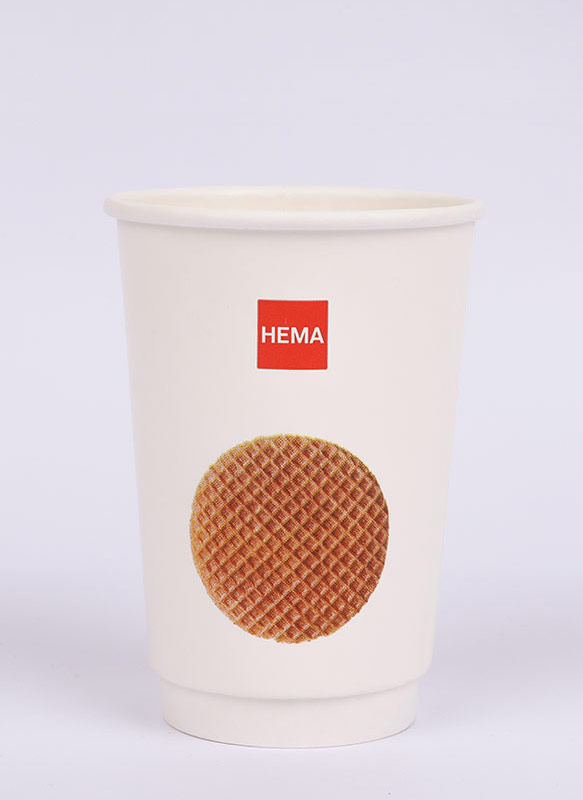
Precision Manufacturing: The Cup's Assembly Line
Once the paperboard with its plastic lining is ready, it's time to turn it into a cup. This process is a marvel of high-speed automation. The paperboard is fed into a machine where it is precision-cut into the cup's signature fan-shaped body. The cut-out is then rolled into a cone shape, and the two edges are sealed together using heat and pressure. This creates the side seam of the cup. A separate circular piece of paperboard is then punched out to form the base. This base is attached to the bottom of the cone using a process called "crimping," where the paper is folded and sealed to create a leak-proof bottom.
For hot cups, a slightly different process is used. To protect hands from heat, a second layer of paper is often added. This can be a separate sleeve or, more commonly now, a double-wall design where two layers of paperboard are sealed with an air gap between them. This air gap acts as an insulator, reducing the need for a separate cardboard sleeve.
The Final Product: A Glimpse into the Future
After the cups are formed, they are stacked, packaged, and shipped to their final destinations—coffee shops, offices, and event venues around the world. The entire journey from a tree in a forest to a completed disposable paper cup in your hand is a highly efficient, high-volume process. However, the story doesn't end there.
The future of the disposable paper cup is focused on sustainability. Manufacturers are actively developing new coatings that are either more easily separable from the paper fibers for recycling or are biodegradable and compostable. These innovations aim to reduce the environmental footprint of this ubiquitous product, ensuring that its legacy of convenience is matched by a commitment to a more sustainable future. The next time you hold a disposable paper cup, take a moment to appreciate the complex journey it took to get there.
Custom Packaging Made Easy
From concept to delivery, our team ensures your custom packaging needs are met with efficient communication and professional service.
-
 01
01
Briefing
-

-
 02
02
Material & Structure
-
-
 03
03
Artwork & Printing
-
-
 04
04
Sampling
-
-
 05
05
Testing & Approval
-
-
 06
06
Production & Delivery
-
-
Suzhou Accum Packaging Co., Ltd.
Contact us
TEL: +86 512 6378 6312 TEL: +86 182 6183 5029 Add: Zhujiabang, Zhenze Town, Wujiang District, Suzhou city, Jiangsu Province, China -
Quick Link
Home Products About Us Solutions News Contact Us -
Products Links
Paper Cup Paper Container Retail Shelf Packaging Paper Tray Paper Bucket Accessory Latest Stainless Bottle -
News
The Complete Round Paper Bowl Buying Guide for Home and Business Use Paper Cup Holder: How to Pick the Right One Without the Guesswork Why Does My Paper Straw Get Soggy So Fast? (And Other Paper Straw Questions Answered) -
Mobile
