

 English
 中文简体
中文简体 Español




INDUSTRY KNOWLEDGE
Materials and Coatings for Paper Soup Containers
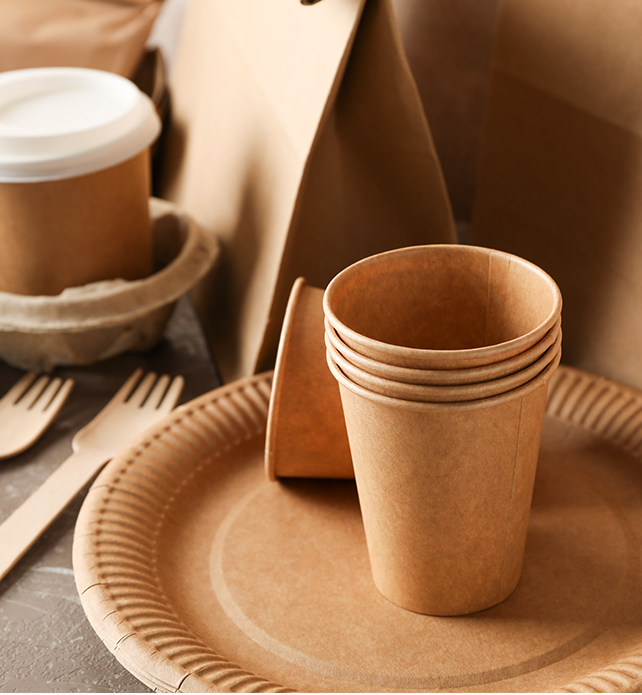
Paper soup containers are typically made from high-grade food-safe paperboard. The choice of coating is crucial to prevent leakage and maintain structural integrity. Common coatings include polyethylene (PE) and biodegradable PLA films. PE-coated containers offer excellent oil and water resistance, while PLA coatings provide a compostable alternative for eco-conscious businesses. At Accum, we carefully select coatings that ensure both safety and sustainability.
Impact of Container Wall Thickness on Heat Retention
The thickness of the container walls directly affects its thermal insulation. Thicker walls help retain heat longer, which is especially important for soups and broths served to-go. A wall thickness of 300-350 gsm paperboard is generally ideal for hot liquids. At Accum, we optimize wall thickness for both durability and comfort, so customers can handle hot soups without discomfort.
Shape and Structural Design Considerations
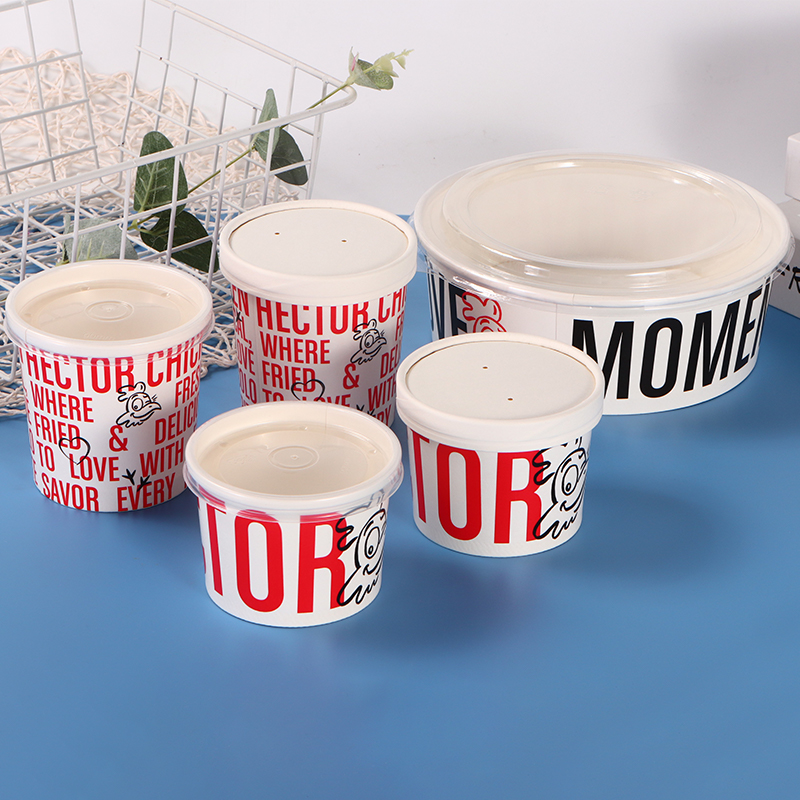
The shape of paper soup containers impacts both stacking efficiency and liquid stability. Round or slightly tapered containers prevent tipping and make it easier to fit lids securely. Containers with reinforced rims enhance durability and prevent leakage during transport. Our design team at Accum emphasizes functional shapes that also provide a premium feel for end users.
Temperature Tolerance and Performance Testing
Paper soup containers must endure a range of temperatures from freezing to boiling. Proper testing involves immersing containers in hot water, adding frozen ingredients, and simulating transport conditions. Containers that pass these tests demonstrate reliable performance under real-world scenarios. At Accum, our quality control protocols ensure that every batch meets rigorous thermal and structural standards.
Eco-Friendly Practices in Paper Soup Container Production
Sustainability is a growing priority in food packaging. FSC-certified paper, water-based inks, and compostable coatings reduce environmental impact. Implementing closed-loop manufacturing processes minimizes waste during production. Accum is committed to providing eco-friendly options without compromising functionality or aesthetics, supporting clients in achieving their sustainability goals.
Comparing Single-Wall and Double-Wall Paper Soup Containers
| Feature | Single-Wall | Double-Wall |
| Insulation | Moderate | High |
| Cost | Lower | Higher |
| Handling Comfort | May require sleeve | Easier to hold |
| Leak Resistance | Moderate | High |
Custom Printing and Branding Options
High-quality printing on paper soup containers enhances brand recognition and customer experience. Options include full-color offset printing, spot UV coatings, and embossing. Accum offers tailored printing services that preserve clarity even on coated surfaces, helping businesses showcase their brand effectively while maintaining container performance.
Stacking and Storage Optimization
Efficient stacking reduces warehouse footprint and minimizes damage during transport. Tapered containers stack securely while nested lids prevent spills. Proper pallet configuration also ensures stability during shipping. At Accum, we design containers with both end-user convenience and logistical efficiency in mind.
Lid Compatibility and Seal Integrity
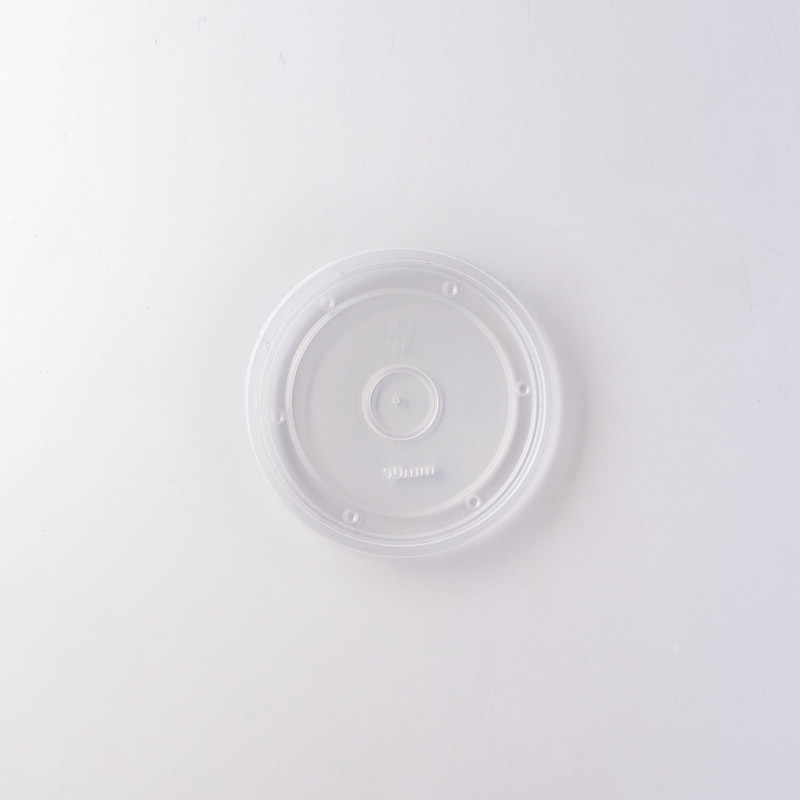
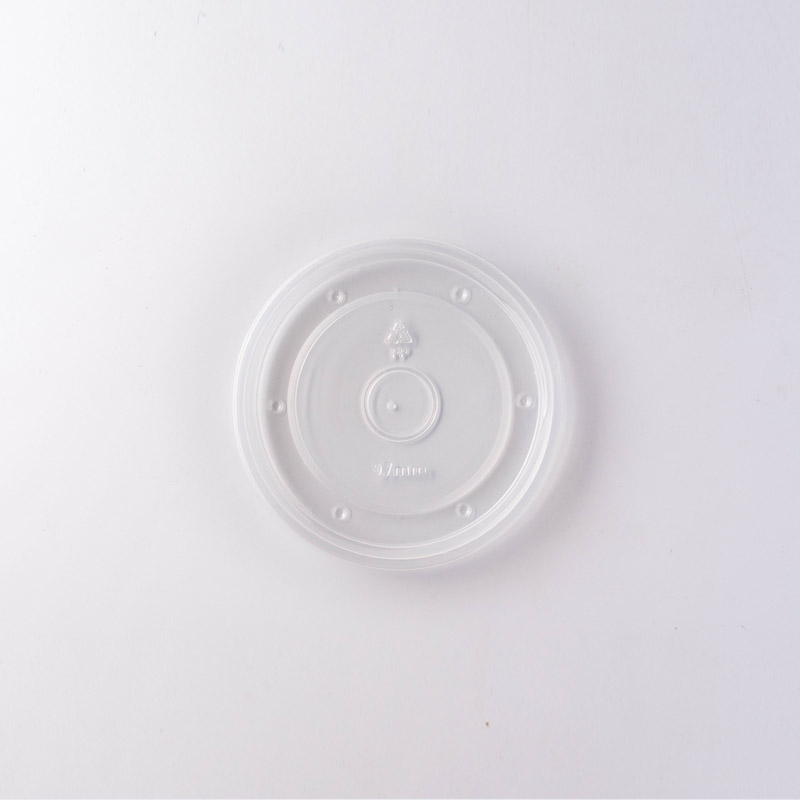
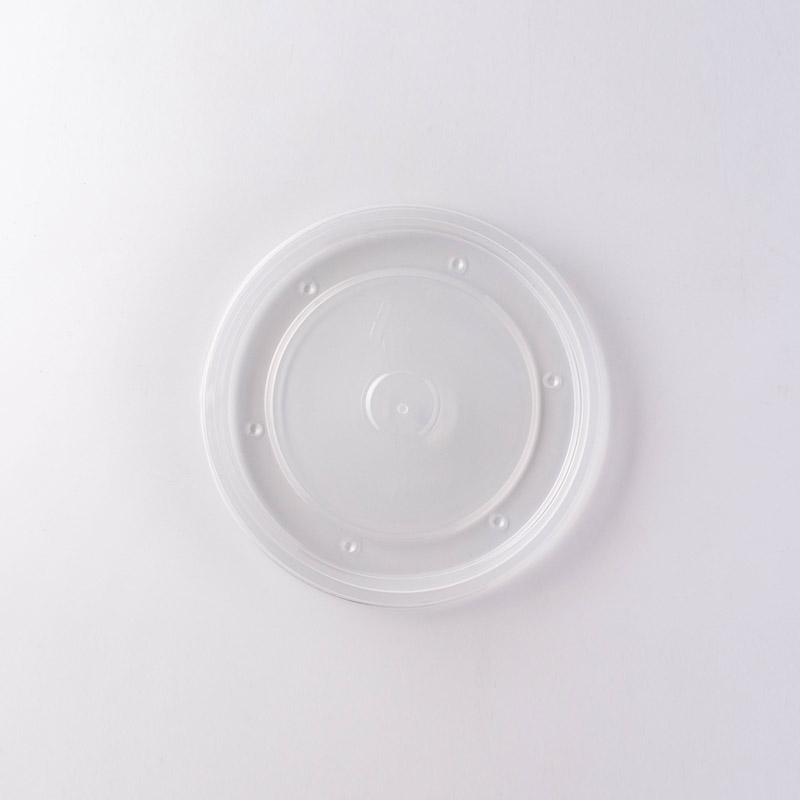
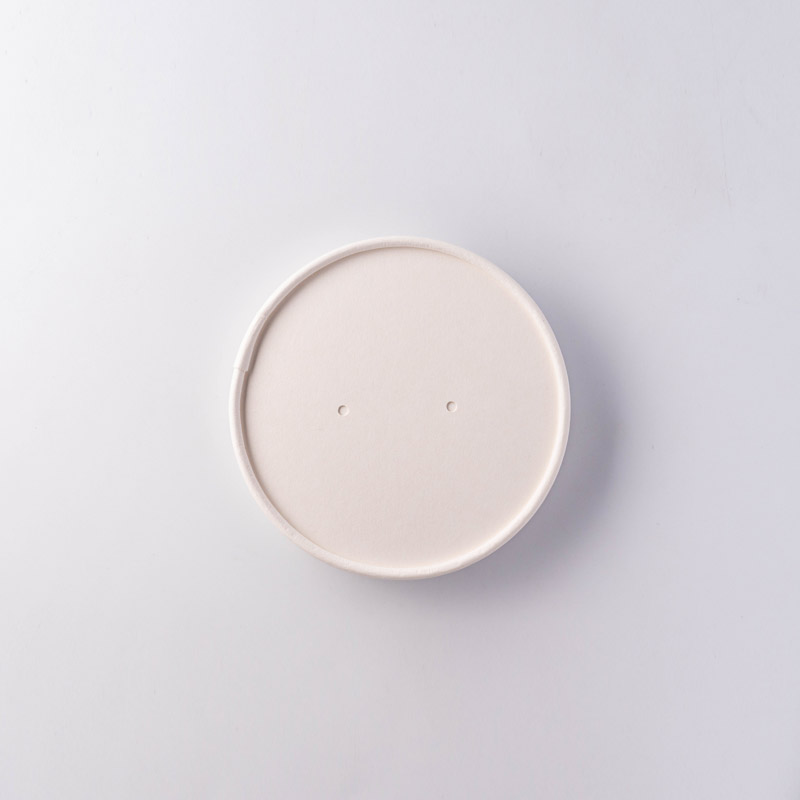
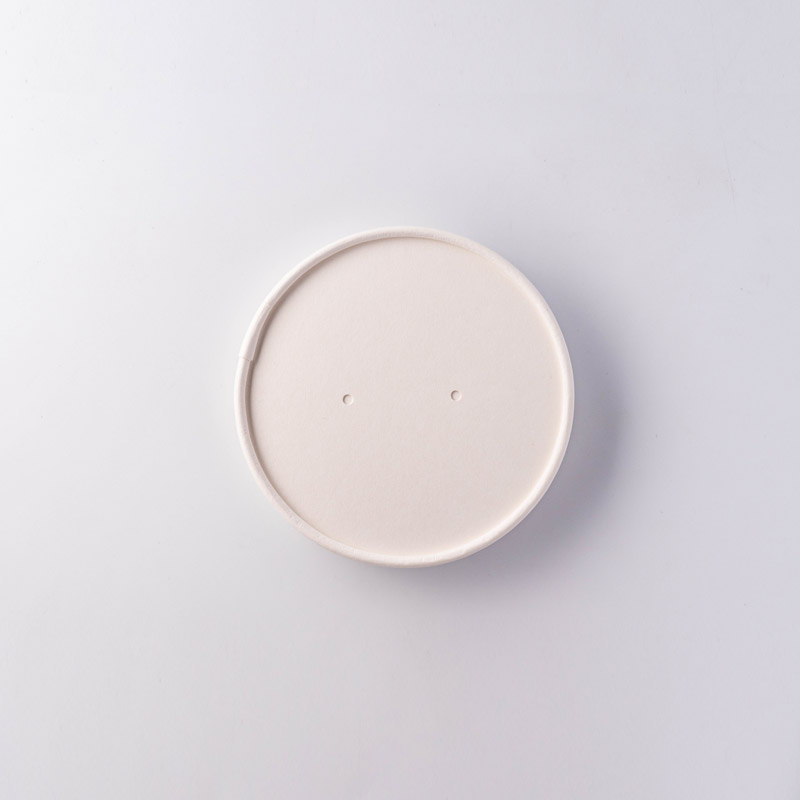
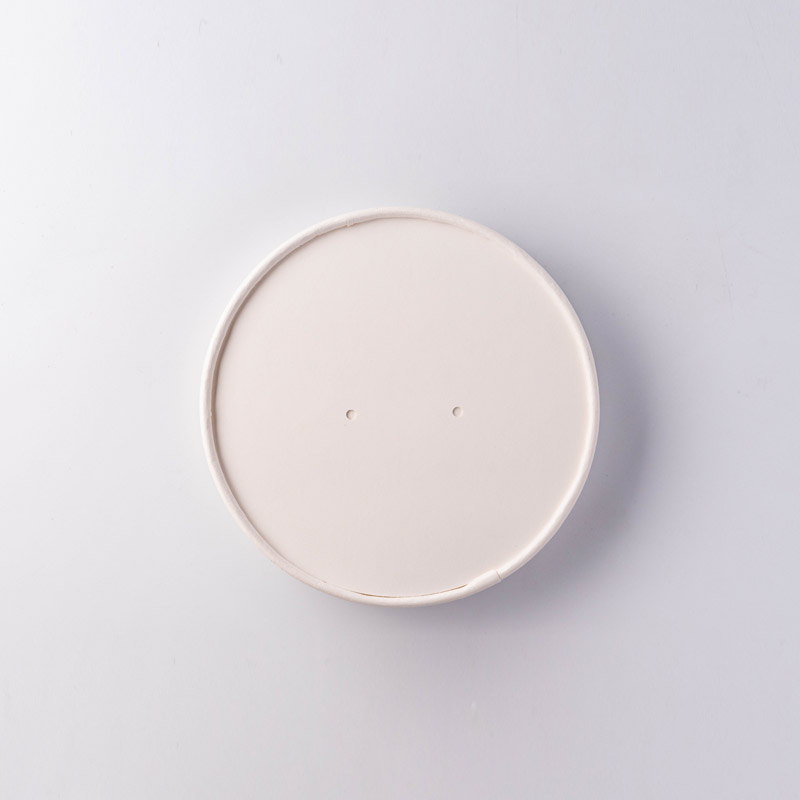
The lid is critical for preventing leaks and preserving temperature. Snap-on or dome-style lids should fit tightly without deforming the container. Testing for different lid types under varying temperatures ensures seal reliability. Our team at Accum continuously tests lid-container combinations to guarantee leak-free performance.


