

 English
 中文简体
中文简体 Español






INDUSTRY KNOWLEDGE
The Manufacturing Process of Paper Straws
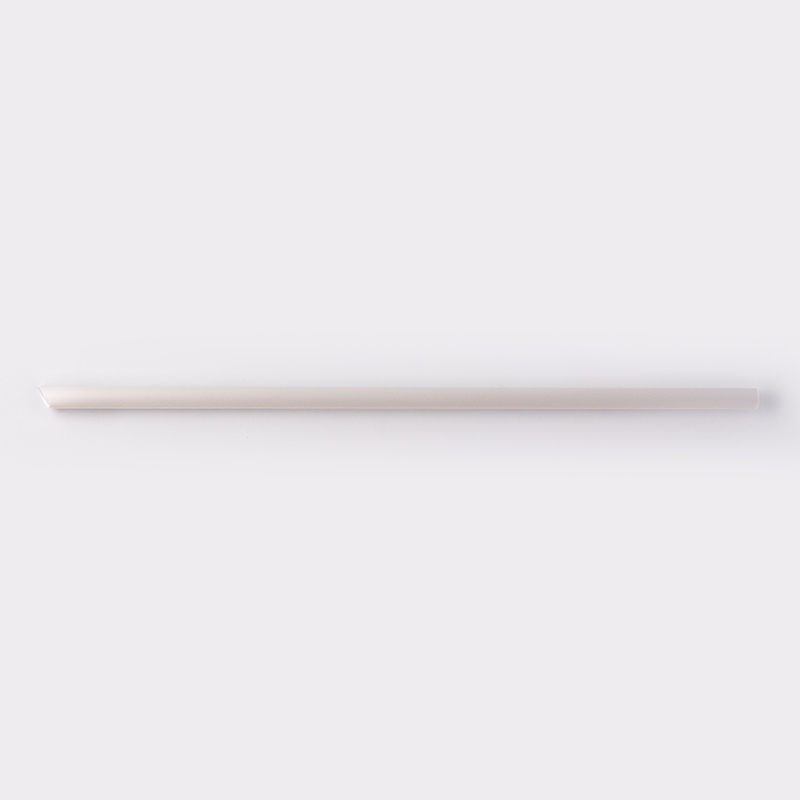
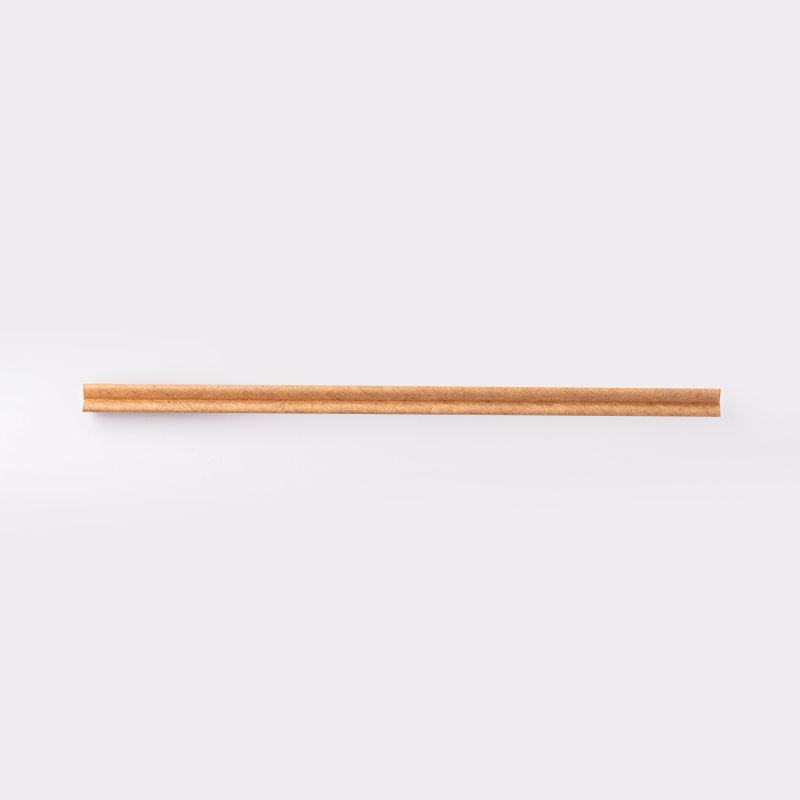
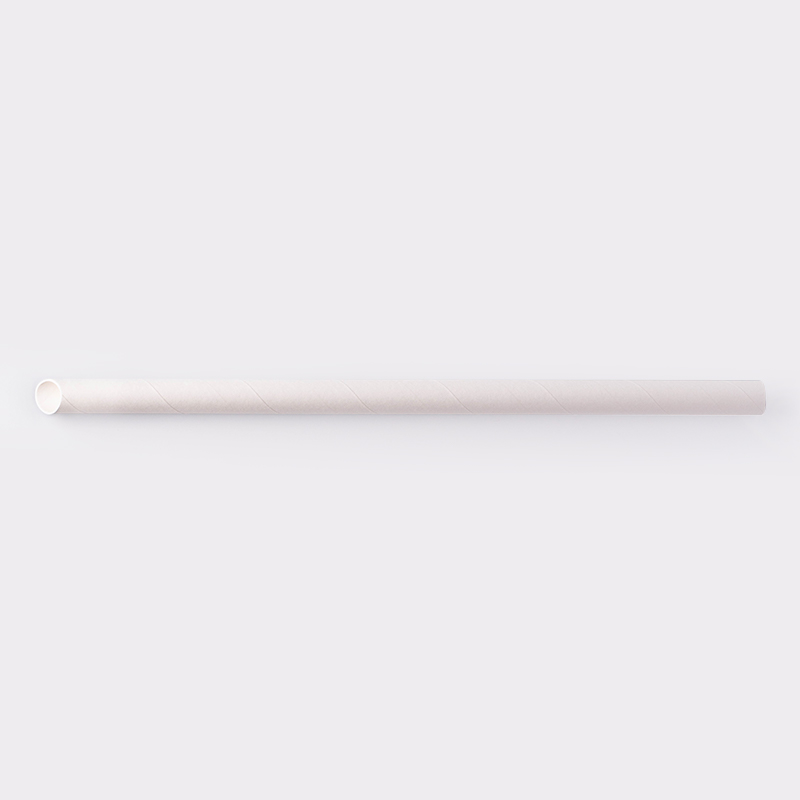
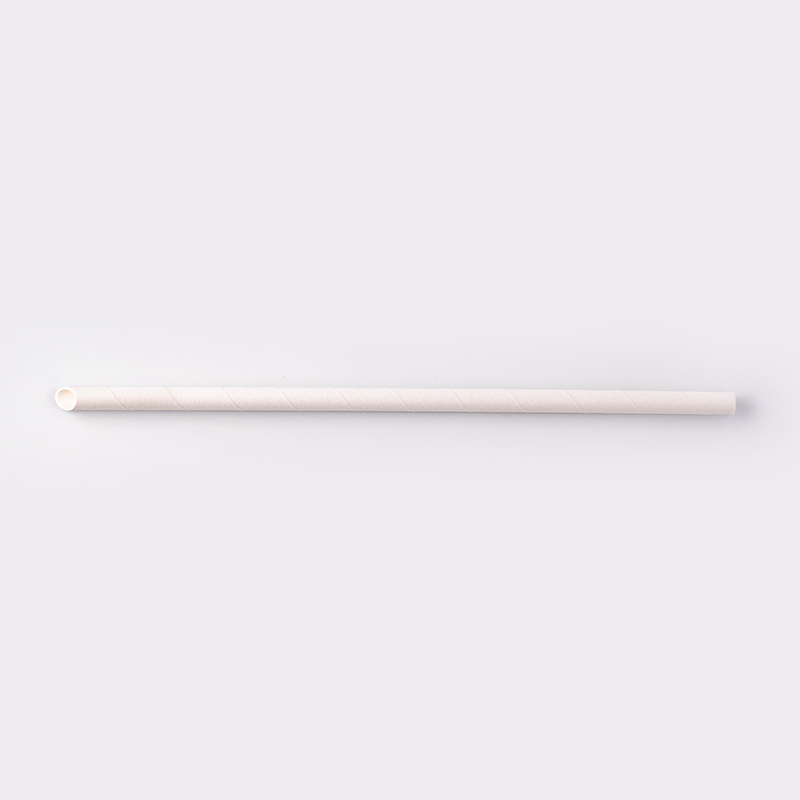
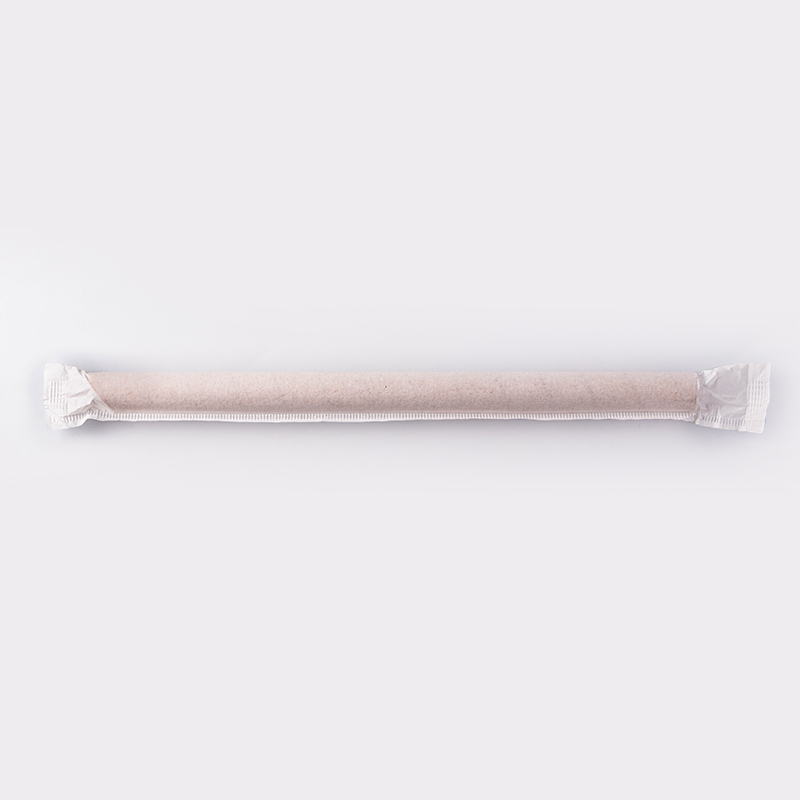
Paper straws are generally made from three layers of paper that are spirally wound and adhered together using a food-grade adhesive. This spirally wound structure is key to giving the straw its necessary rigidity and strength for drinking. The paper itself is typically wood pulp-based and certified for food contact, often meeting standards like FSC (Forest Stewardship Council) to ensure responsible sourcing. The paper is cut into narrow strips, and the food-safe glue is applied as it passes through the winding machine. We ensure our Accum paper straws use only the highest-quality, food-grade materials for your safety. The winding machine forms the strips into a tight, multilayered tube. After winding, the long tubes are dried to set the adhesive, and then automatically cut to the desired standard lengths (e.g., 6mm, 8mm, or 12mm diameters and standard lengths). Finally, they are often polished or packaged immediately.
Factors Influencing Paper Straw Durability and Longevity
The primary concern with paper straws is their tendency to soften or degrade when submerged in liquid for extended periods. This durability is directly impacted by several key factors during manufacturing and by the end-user environment. The most critical factor is the quality and composition of the paper and adhesive. Thicker, multi-ply paper, coupled with robust, water-resistant food-grade adhesive, significantly slows down the saturation process. The type of drink also plays a role; highly acidic or alcoholic beverages can sometimes accelerate paper softening compared to neutral liquids like water. Additionally, the temperature of the drink matters, with colder drinks generally allowing the straw to last longer before substantial softening occurs. To maximize lifespan, it is important to avoid chewing on the straw and to minimize the time it spends fully submerged.
Optimizing Paper Straw Performance
Here are some design choices that can impact how well a paper straw performs in real-world scenarios:
- Number of Plies: Most quality paper straws use three or more layers (plies) of paper. This increased material density significantly improves structural integrity and water resistance compared to single or two-ply versions.
- Inner Coating: Some manufacturers apply a very thin, food-grade barrier coating (like a type of shellac or wax alternative) to the inner and outer layers to further repel water without compromising the straw's biodegradability.
- Spiral Tightness: The precision and tightness of the spiral winding process ensure there are no gaps for liquid to penetrate easily, maintaining the straw's dry strength.
- Diameter and Wall Thickness: Larger diameter straws (like those used for bubble tea) must have proportionally thicker walls or more plies to prevent collapse when sucking thicker liquids. That’s why we offer various sizes to suit every drink, from sodas to thick smoothies.
Understanding Biodegradability and Composting
One of the main advantages of paper straws over plastic is their capacity to naturally break down in the environment. However, it's important to differentiate between general biodegradability and industrial compostability. Biodegradable means the material will break down into natural substances like water, carbon dioxide, and biomass over time, but this time frame can vary greatly depending on the environment (e.g., in a landfill vs. in soil). Compostable, specifically, means the material will break down in a commercial composting facility under specific conditions (high heat, moisture, and microbial activity) within a set period, leaving behind no toxic residue.
Most standard paper straws are inherently biodegradable, but for true industrial compostability certification (like ASTM D6400 or EN 13432), both the paper and the adhesive must meet the stringent criteria. The benefit is clear: when disposed of properly, paper straws reduce the long-term ecological impact associated with plastic waste. By choosing Accum paper straws, you’re actively contributing to a cleaner environment.
Comparison of End-of-Life Scenarios
| Scenario | Standard Paper Straw | Traditional Plastic (PP/PS) Straw |
| Landfill | Breaks down relatively quickly (months to years), minimizes microplastic formation. | Persists for hundreds of years, breaks into persistent microplastics. |
| Marine Environment | Softens and disintegrates rapidly in saltwater, reducing the risk of entanglement and long-term marine litter. | Floats, travels, and degrades into harmful microplastics consumed by marine life. |
| Industrial Composting | If certified, breaks down fully into non-toxic humus. | Not accepted; must be filtered out as contaminant. |


