

 English
 中文简体
中文简体 Español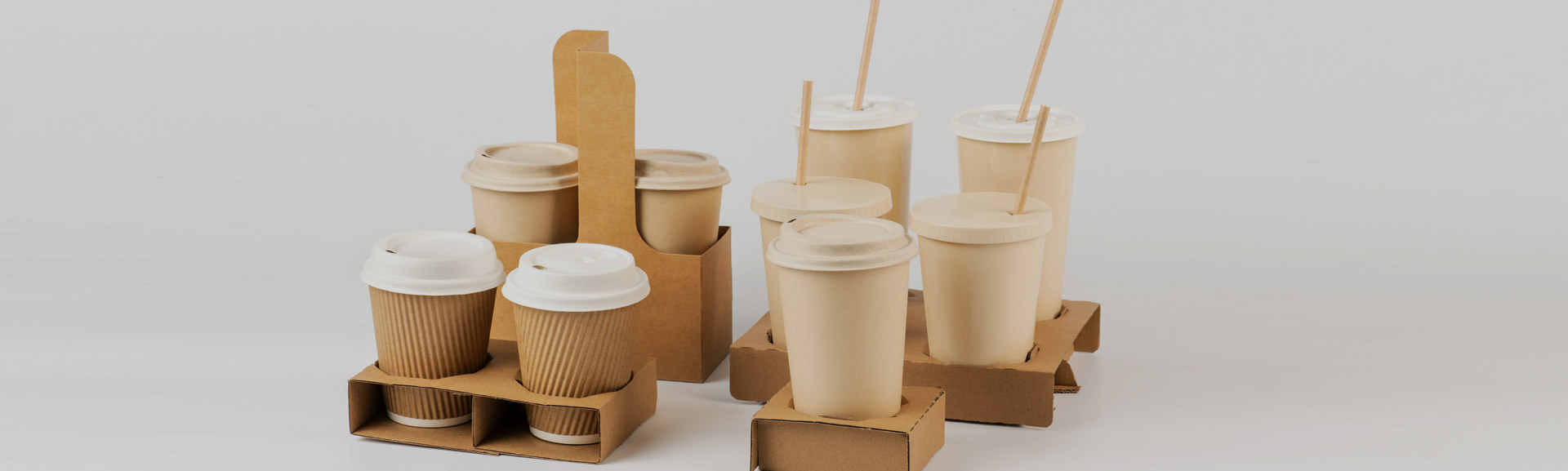







INDUSTRY KNOWLEDGE
Understanding Cup Holder Materials and Their Impact on Stability
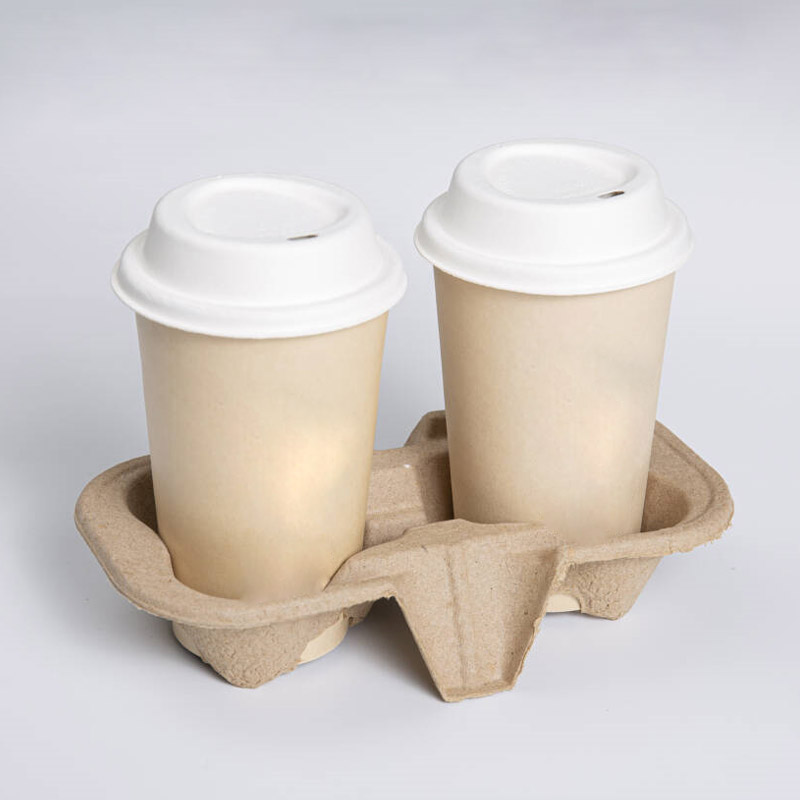
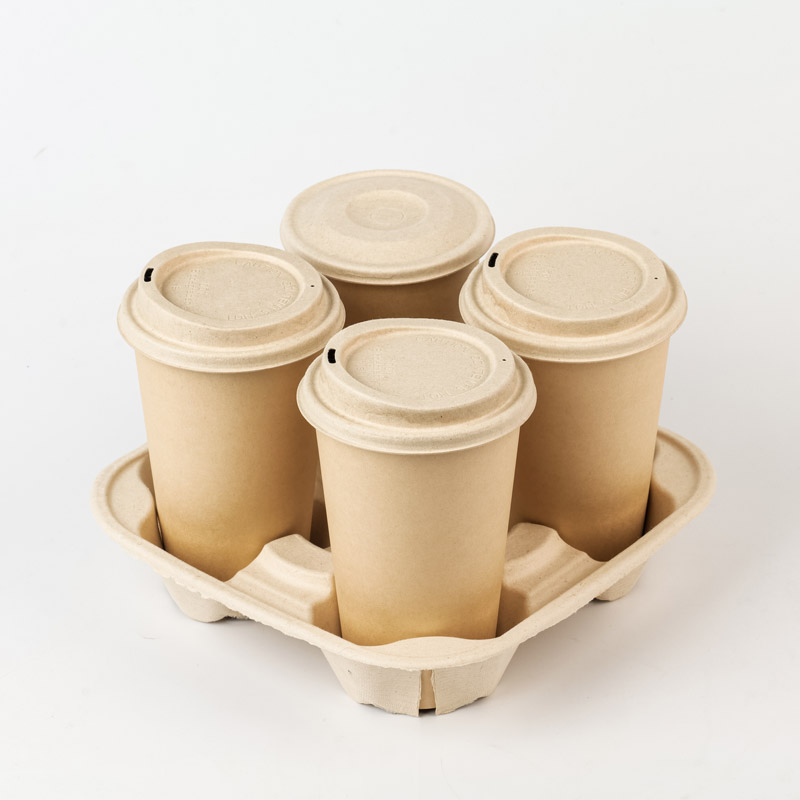
The choice of material is crucial for a cup holder's performance, especially for takeaway beverages. Most commercial cup holders are made from molded pulp fiber (typically recycled paper), which offers an excellent balance of cost-effectiveness, sustainability, and structural integrity. The density and composition of this pulp directly influence the cup holder's ability to resist compression and maintain its shape, particularly when carrying heavier or warmer drinks. A higher density material provides better overall rigidity, which translates to superior anti-tipping capabilities. This is why we carefully select the right pulp blend—we want to be your trusted partner for secure beverage transport!
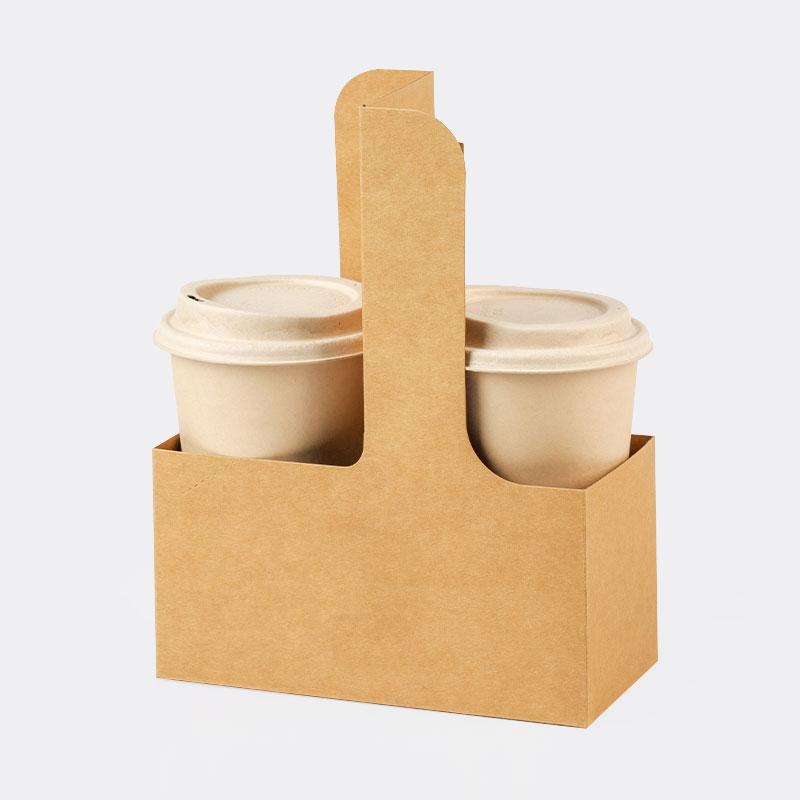
Another less common but important material is corrugated cardboard. While highly rigid, it is typically reserved for custom, high-end applications or as a reinforcing layer, as the volume of material required can make it less economical for standard multi-cup designs. For optimal stability, the paper pulp's surface texture also matters; a slightly rougher surface provides better friction against the cup's base, minimizing shifting during transit.
Tear-Off vs. Non-Tear-Off Designs: Practical Application Differences
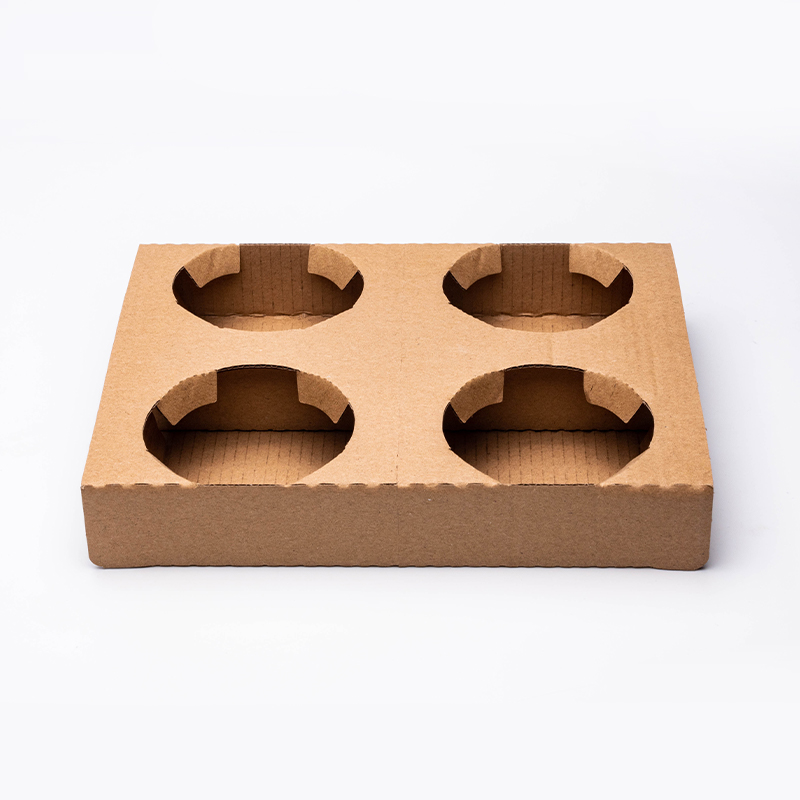
The distinction between tear-off and non-tear-off cup holder styles offers different operational benefits for businesses. Non-tear-off cup holders (like our standard 2-cup or 4-cup designs) are built for maximum rigidity. The continuous structure inherently provides a stronger, single unit, making them ideal for delivery services or situations where the drinks are handed directly to a customer who intends to carry them a distance.
Tear-Off Utility
Tear-off holders are designed with perforated sections, allowing a larger unit (like a 4-cup holder) to be quickly and cleanly split into smaller units (e.g., two 2-cup holders). This feature significantly improves inventory management and counter efficiency. For instance, a café can stock only the 4-cup tear-off unit and use it for orders of 2, 3, or 4 beverages, eliminating the need to stock multiple SKUs. This flexibility in serving various order sizes is a major operational advantage—we make it easy to manage your takeaway needs!
- Space Efficiency: Reduces the total shelf space required for cup holder storage.
- Speed of Service: Allows staff to quickly customize the holder size at the point of sale.
- Waste Reduction: Ensures that the entire unit isn't wasted if only two cups are needed.
Optimizing the Cup Holder for Different Beverage Sizes
A successful cup holder must accommodate a wide array of beverage sizes without compromising stability. This is achieved through calculated design elements, primarily the diameter and depth of the cup wells.
Design Variables for Universal Fit
The typical cup well uses a slightly tapered design. The diameter at the top is wider to accept large-format cups (like 24 oz), while the base diameter is smaller to securely cradle standard cup bases (like 12 oz). The depth of the well is also crucial; it must be deep enough to secure the cup's center of gravity but not so deep that it makes the cup difficult to remove. The four-cup holders have an inherent stability advantage due to the wider base footprint they create, distributing the load over a larger area. We understand the importance of this balance—every beverage deserves a stable ride home!
Here is a simplified comparison of stability factors:
| Design Factor | Impact on Stability | Best Use Case |
| 2-Cup Holder | Good for two large cups, requires careful handling. | Counter pickup for single customers. |
| 4-Cup Holder | Excellent overall stability and weight distribution. | Delivery, catering, or family orders. |
| Deep Well | Higher anti-tipping capability, better for short cups. | Hot beverages where spillage is a major concern. |


