






INDUSTRY KNOWLEDGE
Heat-Resistant Coating Technologies Used in Hot Paper Cups
Disposable hot drink cups rely heavily on coating performance to withstand high temperatures, prevent leaks, and maintain structural integrity. Beyond the commonly known PE coating, manufacturers are increasingly exploring water-based dispersions, bio-coated barriers, and double-sided applications to improve cup stability. These coatings help resist deformation when filled with hot liquids above 70–90°C and enhance long-term hold during takeaway operations.
Common Coating Options and Their Characteristics
| Coating Type | Heat Performance | Special Benefits |
| PE Coating | Good up to ~100°C | Strong waterproofing and stable sealing |
| Water-based Barrier | Good for hot beverages | Recyclable with standard paper streams |
| Bio-based Coating | Varies by formulation | Supports compostable product lines |
How Cup Wall Structure Influences Heat Protection for Hot Drinks
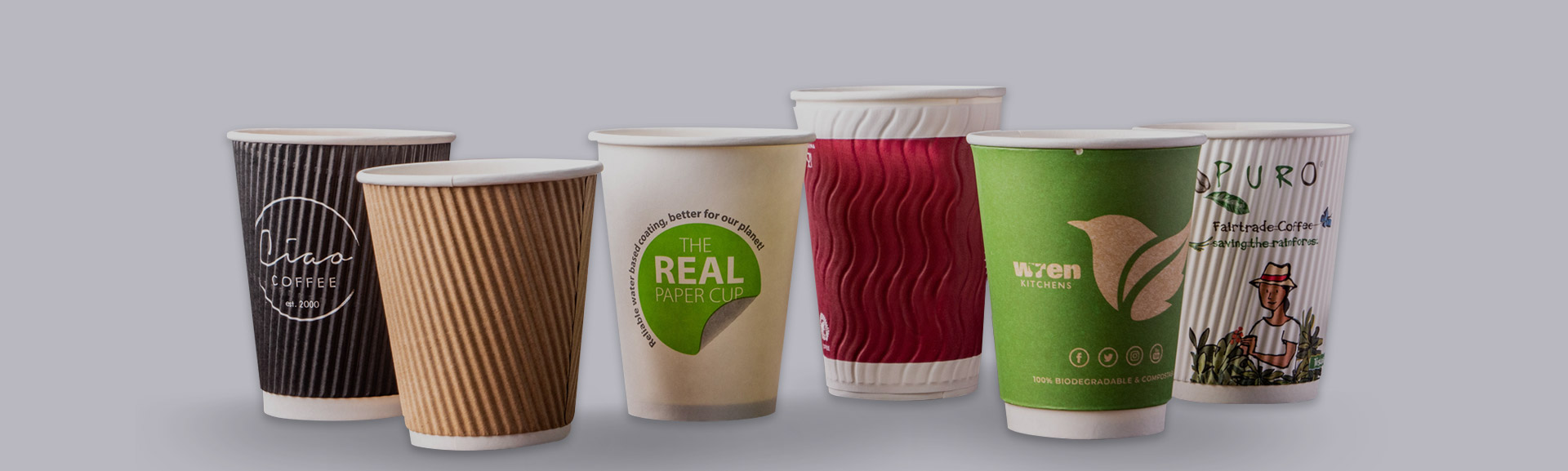
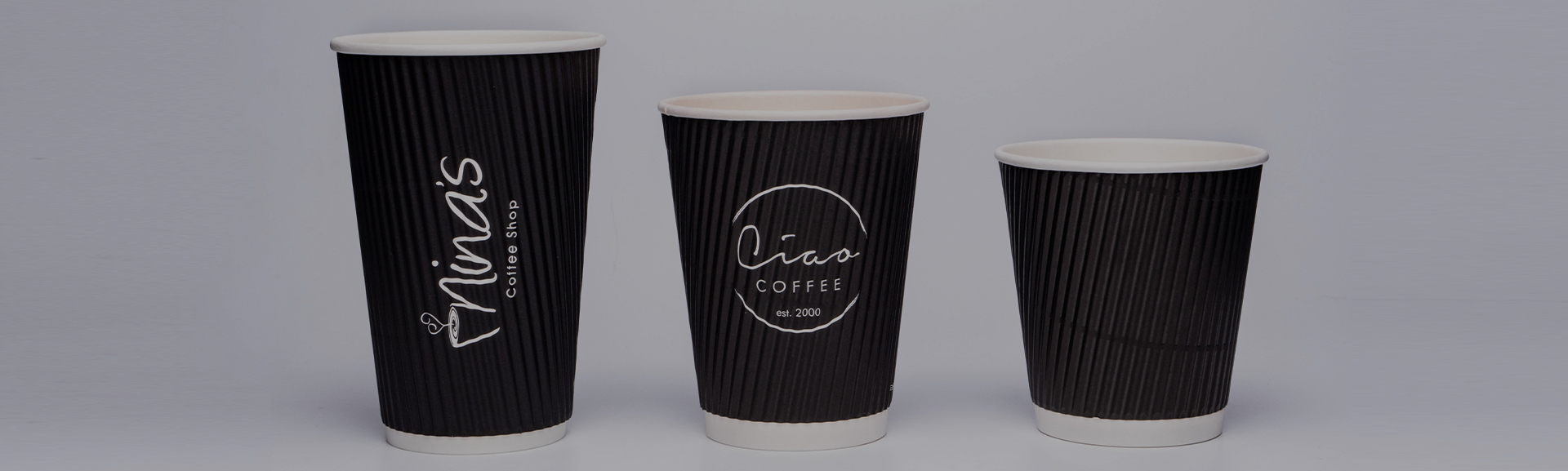
Paper cups for hot drinks are engineered with various wall structures that influence hand-feel insulation, durability, and heating retention. Single-wall cups prioritize lightweight efficiency but may require sleeves for comfortable handling. Double-wall and ripple-wall constructions integrate air pockets or corrugated layers, reducing external temperature transfer and providing a more premium experience for beverage shops.
Wall Structure Comparison
- Single-wall cups: Suitable for fast-service chains needing cost-effective hot drink packaging, especially when sleeves are included to prevent heat exposure.
- Double-wall cups: Two bonded layers create insulation, making them ideal for premium cafes aiming to reduce additional accessories like sleeves.
- Ripple-wall cups: The textured outer layer improves grip and cooling efficiency while enhancing shelf appeal for specialty drink stores.
Cup Rim Engineering and Its Role in Preventing Hot Drink Leaks
The rim of a disposable cup for hot drinks is a critical structural element affecting lid compatibility, sealing accuracy, and user experience. Precision-rolled rims ensure tight coupling with snap-fit or plug-fit lids, reducing the risk of spills during commuting or delivery. Manufacturers often optimize rim thickness, curl diameter, and uniformity to support different lid designs, including PP, PET, and paper-based variants.
Key Rim Considerations
- Increased rim rigidity prevents deformation when users apply pressure while attaching lids for hot beverages.
- Smooth curl edges improve drinking comfort and reduce paper fiber exposure.
- Consistent curl diameter ensures compatibility across multiple lid models, improving inventory flexibility for retailers.
Printing Stability on Hot Drink Cups Under High-Temperature Conditions
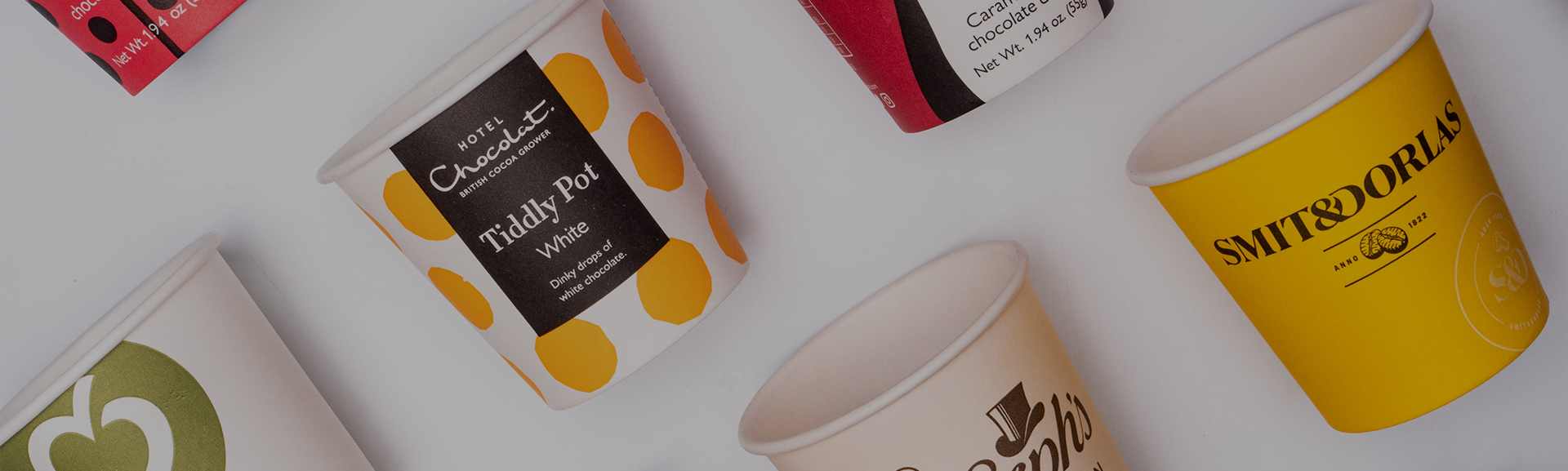
Printing on disposable hot drink cups must remain stable despite exposure to steam, heat, and oil from beverage ingredients. High-quality flexographic or offset inks with heat-resistant properties help avoid smearing and color fading during use. Water-based inks are favored for eco-friendly production, while UV-curable inks offer sharp definition and durability for brand-heavy designs.
Printing Challenges and Solutions
- Steam exposure may cause ink softening if coatings are not properly bonded; using higher-grade overprint varnishes mitigates this issue.
- Large color blocks require precise ink density control to avoid mottling on curved cup surfaces.
- Multi-color branding benefits from prepress distortion adjustment that compensates for the tapered cup shape.
Lid and Cup Compatibility Standards for Safe Hot Beverage Service
The relationship between hot paper cups and their lids directly affects consumer safety and beverage quality. Improper fit can cause leaking, pressure build-up, or accidental detachment when drinking on the go. Many manufacturers follow internal specifications that regulate rim diameter tolerance, sealing pressure, and snap resistance, ensuring that disposable cups for hot drinks maintain consistent performance across different production batches.
Key Compatibility Factors
- Using matched cup–lid sets reduces the risk of seal failure, especially for high-temperature drinks like americano or hot milk tea.
- Vent hole design on lids helps release steam pressure and prevents beverage splashing during first sip.
- Paper lids with PLA or barrier reinforcement are increasingly chosen to align with plastic reduction initiatives.
Insulation Performance Testing Methods for Paper Cups for Hot Drinks
To ensure consistent quality, suppliers conduct insulation and heat retention tests on disposable cups for hot drinks. These tests evaluate wall temperature, liquid temperature retention, and hand comfort over specified time intervals. Advanced facilities may use sensors and simulation chambers to replicate real-world usage conditions, such as being held in transit or placed in a cup holder.
Typical Testing Items
- Outer wall temperature rise after filling cups with boiling water to assess burn-risk levels for consumers.
- Liquid temperature retention curve measuring how quickly contents cool over 10–30 minutes.
- Compression resistance testing to evaluate grip stability when the cup is squeezed during use.


