






INDUSTRY KNOWLEDGE
Understanding Fiber Types and Their Impact on Molded Product Performance
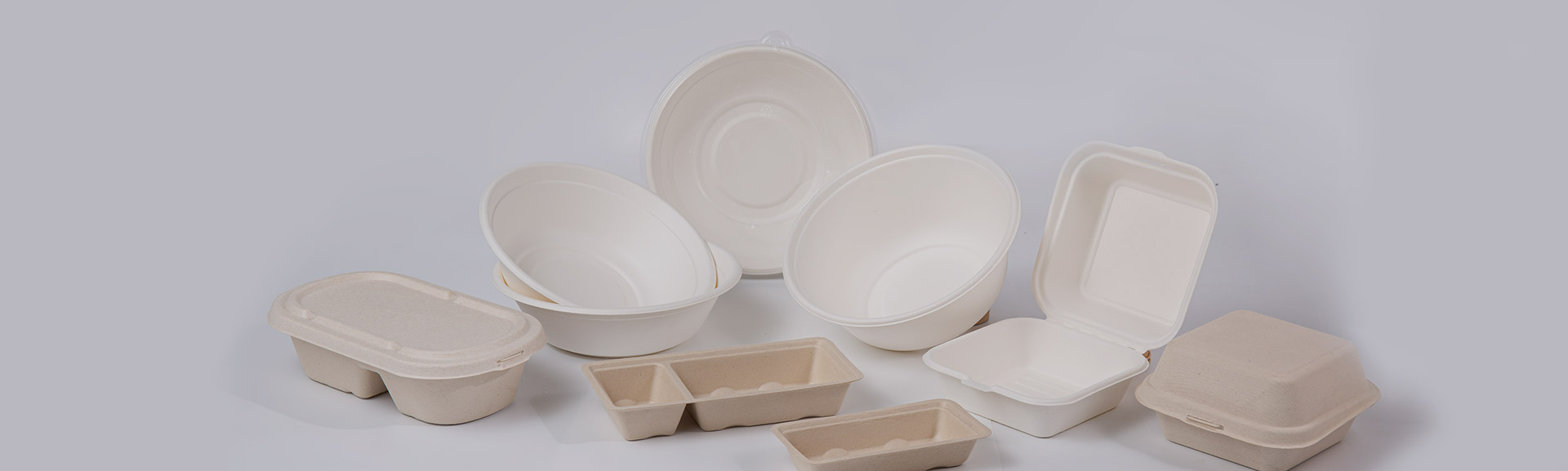
The choice of fibrous raw material is paramount in determining the final characteristics of molded fiber packaging. Different fiber sources, such as wood pulp, bamboo, sugarcane (bagasse), and recycled cardboard, possess distinct properties regarding fiber length, purity, and stiffness. For instance, longer, less-processed fibers generally contribute to higher tensile strength and better dimensional stability in the finished product. Shorter fibers, common in highly recycled materials, often require more processing aids or higher compression to achieve a comparable strength profile. This is why we invest heavily in sourcing high-quality, long-fiber bagasse, which naturally provides excellent strength and a smooth finish suitable for food contact applications. Understanding the subtle differences in material science allows manufacturers to optimize the pulping and molding processes for specific product requirements, be it grease resistance for food trays or structural rigidity for electronics inserts.
Optimizing Surface Treatment for Enhanced Functionality
While molded fiber is inherently versatile, achieving specialized functionality, particularly liquid and grease resistance, often requires post-molding surface treatments. Simply molding the pulp provides a basic level of oil and water absorbency control, but advanced food packaging demands more robust barriers. Common solutions involve internal sizing agents added during the pulping stage and external spray coatings applied after the product is dried. Internal sizing using materials like alkyl ketene dimer (AKD) or alkenyl succinic anhydride (ASA) improves water holdout throughout the fiber structure. External treatments, such as biodegradable coatings or specific plant-based resins, create a thin, continuous film on the surface. These coatings are crucial for applications like to-go containers. Our dedicated R&D team has perfected food-safe coatings that maintain the compostability promise while delivering reliable performance against hot, oily foods. The selection of the coating must align with the end-of-life goals; fluorochemical-free, fully compostable barriers are the industry standard we uphold.
The Role of Tooling in Precision and Cost-Efficiency
The quality and design of the tooling (molds) are perhaps the most critical factor influencing the final product's precision, texture, and per-unit cost. Molded fiber product utilizes two primary tooling methods: conventional (transfer) and thermoformed (high-pressure/dry-in-the-mold). Conventional tooling uses less expensive screen meshes and is ideal for protective packaging and egg cartons, offering faster cycle times but a rougher surface finish and lower dimensional accuracy. Thermoforming, on the other hand, involves high-heat and pressure metal tooling to dry and cure the product simultaneously. This results in incredibly smooth, precise, and dense products, often referred to as "smooth-side" or "precision-molded" fiber, perfect for premium food and retail packaging. We specialize in advanced thermoforming techniques, allowing us to offer customized solutions with exceptional detail and consistency. Initial investment in high-precision molds is higher, but the resulting product quality and minimized material waste drive long-term cost-efficiency, especially for large-scale production runs.
Comparison of Tooling Methods
| Conventional Tooling | Thermoforming Tooling | |
| Surface Finish | Rough/Screen Mesh Texture | Smooth/Fine Detail |
| Dimensional Tolerance | Moderate | High (Precision) |
| Cost/Initial Investment | Low to Moderate | High |
| Typical Applications | Protective Inserts, Egg Cartons | Food Service, Clamshells, Retail Packaging |
Design Considerations for Mechanical Strength and Stackability
Designing molded fiber products for optimal mechanical performance goes beyond just selecting the right fiber material. The geometry of the product plays a critical role in load-bearing capacity and stability during transit. Key design principles borrowed from engineering disciplines like structural mechanics are applied to maximize strength while minimizing material usage. Features such as ribbing, fluting, and defined corners act as structural supports, distributing stress evenly across the material. A well-designed flange (the rim around the edge) significantly contributes to overall rigidity and stacking strength. Furthermore, integrating subtle interlocking features in the design aids in stable stacking, preventing slippage and collapse when containers are stacked high in distribution or retail settings. The thickness of the material is not the only variable; the strategic placement of material where strength is needed most (e.g., corners and bases) ensures the finished product is both light and robust. Our expertise allows us to engineer products that not only look natural but are engineered for the real-world demands of logistics.
Key Structural Design Features
- Ribbing/Fluting: Adding continuous, raised lines or channels greatly increases the stiffness-to-weight ratio, similar to corrugation in cardboard.
- Defined Corners: Sharp corners, rather than rounded ones, help distribute vertical loads more effectively, enhancing crush resistance.
- Flange Design: A wide, continuous rim around the opening increases the product's overall rigidity and is essential for secure lid-fitting in food containers.
- Draft Angle: A necessary slope on all vertical walls allows the product to release cleanly from the mold and enables efficient de-nesting (separating stacked products).


